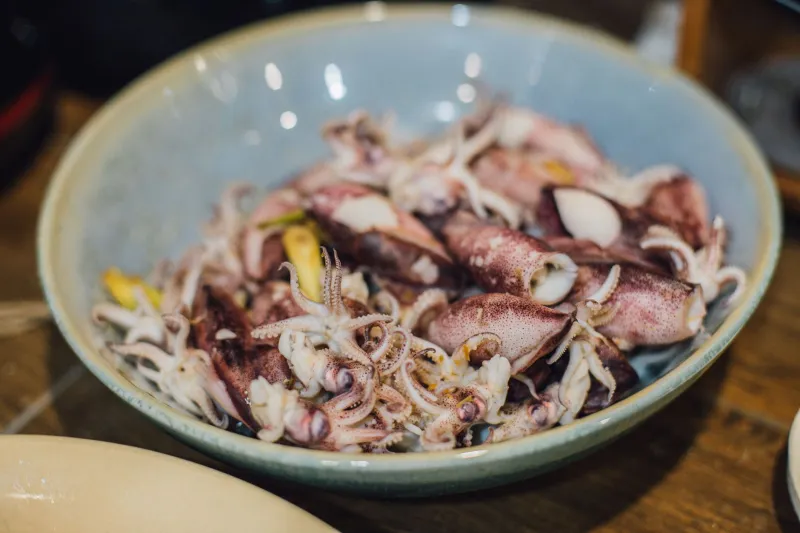
Cook Like You Just Got Back from Nagasaki: Simple Japanese Fish Techniques for the American Home Kitchen
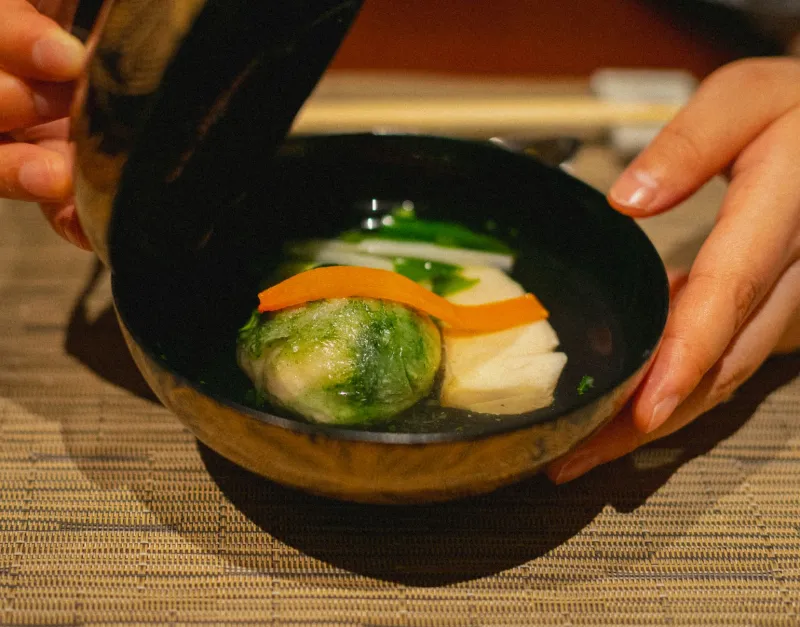
There's a moment that happens to a lot of Americans who visit Japan for the first time—specifically, the moment they eat really fresh, simply prepared fish. No heavy cream sauce, no aggressive seasoning, no complicated technique. Just fish, maybe a little salt, maybe some miso, and suddenly everything they thought they knew about cooking seafood feels a bit overcomplicated.
That moment is what Nagasaki cooking is built around.
Nagasaki Prefecture has one of Japan's richest fishing traditions, and the culinary philosophy that's grown up alongside it is essentially this: when your fish is genuinely excellent, your job as a cook is mostly to get out of the way. The techniques used in Nagasaki home kitchens aren't flashy. They're efficient, they're ancient, and they work extraordinarily well—especially for American home cooks who want to eat better seafood without turning dinner into a project.
Let's break it down.
Why Nagasaki Fish Tastes Different (The Science Part, Kept Short)
Before we get to the recipes, it helps to understand why fish from Nagasaki's waters tends to have such a pronounced, clean flavor in the first place. The short answer is umami—specifically, the naturally occurring glutamates and inosinates present in high concentrations in fish that are well-fed, properly handled, and caught in nutrient-rich environments.
Nagasaki's surrounding waters, fed by the Tsushima Current and deep-sea upwellings, support dense populations of sardines, mackerel, sea bream, and other species that feed on rich krill and plankton blooms. Fish that eat well have more developed muscle tissue and higher concentrations of flavor compounds. Add to that the traditional ikejime handling practices used by many Nagasaki fishermen—a rapid, precise dispatch method that minimizes lactic acid buildup and preserves texture—and you get fish with a cleaner, deeper flavor profile than what most American home cooks encounter at a standard grocery store counter.
The good news: these cooking methods work beautifully with quality fish from any good fishmonger. If you can find a local market that carries sashimi-grade product or sources from day boats, you're already most of the way there.
Recipe 1: Salt-Rubbed Sea Bream (Tai Shioyaki)
What you need: 2 skin-on sea bream fillets (or red snapper as a substitute), flaky sea salt, a wire rack, and a broiler.
How to do it: Pat your fillets completely dry—this step matters more than most people realize. Moisture is the enemy of good skin. Score the skin lightly with a knife, then rub both sides with a generous pinch of flaky salt. Let the fish rest uncovered in the fridge for 20 to 30 minutes. This brief cure draws out surface moisture and begins to season the flesh throughout.
Broil on a wire rack set over a foil-lined pan, skin side up, about 4 to 5 inches from the heating element, for 8 to 10 minutes depending on thickness. The skin should blister and char slightly at the edges. Serve with a wedge of sudachi or lemon and nothing else.
Why it works: Salt amplifies the fish's existing glutamates without adding competing flavors. The dry heat of broiling creates a Maillard reaction on the skin that adds a subtle nuttiness. It's the simplest thing and also, somehow, the most impressive.
Recipe 2: Quick Miso Broth with White Fish and Tofu
What you need: 1 lb firm white fish (cod, halibut, or grouper work well), 1 block silken tofu, 3 tablespoons white miso paste, 4 cups dashi (instant dashi is completely fine), sliced green onion, and a small piece of fresh ginger.
How to do it: Bring your dashi to a gentle simmer. Add the ginger sliced into thin coins. Dissolve the miso into the broth by whisking a ladleful of hot dashi into the miso paste separately before adding it back to the pot—this prevents clumping and preserves the miso's live enzymes. Add cubed tofu and fish pieces, cooking just until the fish turns opaque, about 4 to 5 minutes. Don't boil the miso once it's in; keep everything at a gentle simmer. Finish with green onion.
Why it works: Miso and dashi are both deeply umami-rich. Combined with the natural inosinates in the fish, you get a synergistic umami effect that makes the broth taste far more complex than its ingredient list suggests. This is the backbone of Nagasaki home cooking—layered flavor built from simple, honest components.
Recipe 3: Sashimi-Style Flounder with Ponzu
What you need: Sashimi-grade flounder (hirame), a very sharp knife, store-bought or homemade ponzu sauce, thin-sliced jalapeño (a nod to the American kitchen), and microgreens.
How to do it: Slice the flounder as thinly as you can manage—almost translucent. Lay slices flat on a chilled plate. Spoon a small amount of ponzu over the top, add two or three jalapeño slices for heat, and scatter microgreens. Serve immediately.
Why it works: Flounder has a delicate, almost neutral sweetness that showcases the fish's natural flavor without distraction. Ponzu—a citrus-soy blend—adds brightness and salt without heaviness. The jalapeño is not traditional, but it works, and this is your kitchen.
Recipe 4: Mackerel Simmered in Ginger-Soy (Saba no Nitsuke)
What you need: 2 mackerel fillets, 2 tablespoons soy sauce, 2 tablespoons mirin, 1 tablespoon sake, 1 tablespoon sugar, 1 cup water, and a generous amount of sliced fresh ginger.
How to do it: Combine all liquids and sugar in a small skillet and bring to a simmer. Add the ginger, then lay the mackerel fillets skin-side up in the pan. Cover with a drop lid (a piece of foil with a few holes poked in it works perfectly) and simmer for 10 to 12 minutes, occasionally spooning the liquid over the fish. The sauce will reduce and glaze the fish. Serve over steamed short-grain rice.
Why it works: Mackerel is a bold, oily fish with a strong flavor that pairs perfectly with the assertive sweetness of mirin and the warmth of ginger. This is comfort food in Nagasaki homes, and it translates beautifully to an American weeknight dinner.
Recipe 5: Grilled Whole Sardines with Sea Salt
What you need: Fresh whole sardines (ask your fishmonger for the freshest available), coarse sea salt, and a hot grill or cast iron pan.
How to do it: Rinse and pat the sardines dry. Season aggressively with coarse salt inside and out. Grill over high heat for 3 to 4 minutes per side until the skin is charred and crispy. Eat them whole—bones and all, if they're small enough—with a squeeze of lemon.
Why it works: This is about as close to Nagasaki's fishing boat culture as you can get in a suburban backyard. Sardines are fatty, flavorful, and sustainable. Cooked this way, they're extraordinary.
Finding the Right Fish
These techniques are only as good as your ingredients. For sourcing, look for Japanese grocery stores in your area—chains like Mitsuwa or H Mart carry sashimi-grade fish regularly. Community-supported fishery (CSF) programs, modeled after the CSA model for produce, are increasingly available in coastal US cities and often offer excellent quality. Online retailers like Catalina Offshore Products or True World Foods also ship high-quality seafood nationally.
The Nagasaki approach to cooking fish isn't about complexity. It's about respect—for the ingredient, for the tradition, and for the people who spent generations figuring out how to make something simple taste extraordinary. Start with one of these recipes this week. You'll see what we mean.