What Your Fishmonger Isn't Telling You: The Japanese Grading System That Changes How You Shop for Fish
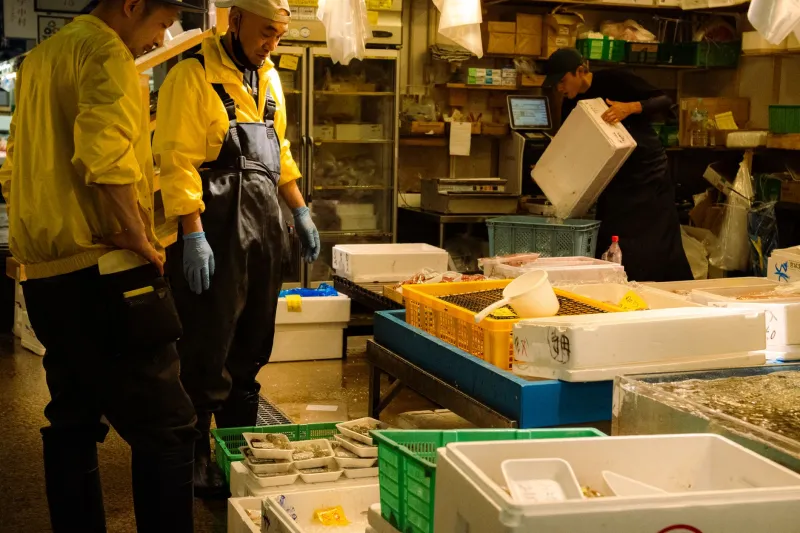
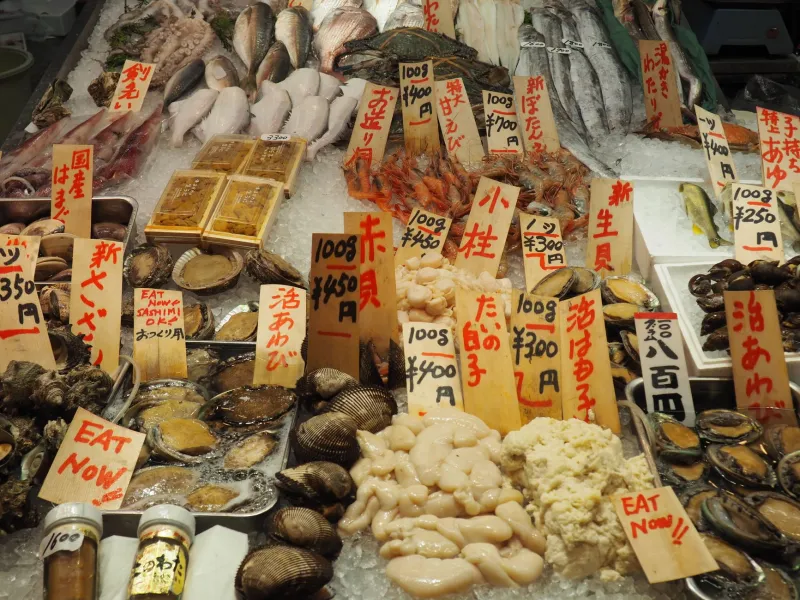
Walk into a well-stocked American butcher shop and you'll find a reassuringly clear hierarchy: prime, choice, select. The USDA grading system is stamped right there on the package, and most of us have a rough sense of what those labels mean for our weekend roast. Now walk into a traditional fish market in Nagasaki — or even a serious Japanese seafood counter in a US city — and you'll encounter something that looks, at first glance, a lot more chaotic. Fish arranged by species, by size, sometimes by individual boat. Prices that seem to jump around without obvious logic. And fishmongers making split-second decisions that experienced buyers treat like gospel.
That apparent chaos is actually a deeply sophisticated grading system. It just doesn't look like anything most American home cooks have been trained to recognize.
The Core Difference: Freshness Is a Moving Target
The most fundamental gap between American and Japanese fish grading comes down to philosophy. Western seafood standards — particularly those used in grocery retail — tend to focus on safety thresholds. Is it safe to sell? Is it within the acceptable window? Japanese grading, especially the style practiced in Nagasaki's fish markets, is built around something more dynamic: where is this fish on its quality arc right now, and what is it best suited for?
In Nagasaki, fish are commonly assessed across several overlapping freshness stages. Ikejime — the Japanese technique of immediately dispatching a fish to prevent stress hormones from degrading the flesh — is the starting point, not a bonus feature. Fish that have been processed this way enter the market with significantly longer quality windows and a noticeably cleaner flavor profile. American buyers rarely know whether a fish was processed this way, and most retail counters don't track it at all.
The Japanese concept of sen-do (鮮度), which roughly translates to freshness level, goes far beyond smell and eye clarity. It accounts for rigor mortis stage, skin tension, gill color gradations, and even the way the flesh responds to gentle pressure. A Nagasaki fishmonger might turn down a fish that passes every American inspection standard because its sen-do has peaked and it's now better suited for a braise than for sashimi.
Fat Content and Seasonal Grading
Here's something that might surprise you: in Japan, the same species of fish can carry dramatically different price tags depending on the season — not because of scarcity, but because of fat content. A yellowtail (buri) caught in the cold waters off Nagasaki in late autumn is a fundamentally different product than one pulled from warmer water in July. The winter fish has spent months feeding heavily, building up the fat reserves that give it that rich, buttery flavor sashimi lovers obsess over.
Japanese fish markets grade for this seasonal fat variation explicitly. The term toro — which most Americans associate with fatty tuna belly — is actually a quality descriptor that gets applied conceptually across species. A fatty, late-season mackerel can command a premium in Nagasaki that would baffle anyone used to buying fish by weight alone.
American seafood retail almost never communicates this information. The mackerel at your local counter is just mackerel. But if you start asking your fishmonger where the fish came from and when it was caught, you're beginning to think like a Nagasaki market buyer.
What the Eyes and Gills Are Actually Telling You
Every cooking guide tells you to check for clear eyes and red gills. That's true, but it's the beginning of the story, not the whole thing. Japanese grading uses these indicators much more granularly.
Eye clarity in Japanese assessment isn't binary — it's a spectrum. A fish at peak sen-do will have eyes that are almost uncomfortably bright and convex, slightly protruding from the socket. As freshness fades, they flatten before they cloud. That subtle convexity is something American buyers rarely check for, but it's one of the first things a Nagasaki market buyer looks at.
Gill color is similarly nuanced. Deep, vivid crimson indicates a fish that's very recently out of the water. As time passes, the color shifts toward darker burgundy, then brownish-pink. Japanese graders track this transition carefully because it correlates directly with flavor: the enzymes that develop deep umami compounds in the flesh are most active in a specific window, and gill color is a rough proxy for where you are in that window.
How to Apply This at Your American Fish Counter
You don't need to speak Japanese or visit Nagasaki to start shopping smarter. Here are a few practical shifts that bring Japanese grading logic into your regular seafood shopping:
Ask about the catch date, not just the delivery date. Most American fish counters track when product arrived, not when it was caught. Those are very different numbers. A fish caught five days ago and delivered yesterday is older than one caught two days ago and delivered today.
Ask about processing method. More American fishmongers are sourcing ikejime-processed fish, especially for Japanese restaurant supply. If your local shop carries it, pay the premium — the flavor difference is real.
Think seasonally, not just species-wise. Next time you're buying mackerel, sardines, or yellowtail, ask when the fat season is for that species in its origin waters. A fishmonger who can answer that question is one worth building a relationship with.
Use the eye test more precisely. Look for that slight convexity before you check for cloudiness. It takes about ten seconds and it tells you something the label never will.
Why This Matters Beyond the Fish Counter
Learning to read fish the way Nagasaki's market buyers do isn't just about getting a better piece of mackerel. It changes your relationship with seafood as a category. You start to understand why a fish that looks perfectly fine might be better suited for a miso braise than a quick sear. You start planning meals around what's genuinely at its peak rather than what's convenient.
That's the deeper gift of the Japanese grading philosophy: it makes you a more responsive cook. The fish tells you what it wants to be, and you listen. In Nagasaki, that's just Tuesday at the market. In an American kitchen, it can feel like a revelation.