Eating Like a Nagasaki Fisherman: The 'Worthless' Catches That Actually Taste Better Than the Fancy Stuff
There's a running joke among Nagasaki's fishing families: the best fish never make it to the fancy restaurants. They go straight into the fisherman's own pot.
That's not a knock on the restaurants. It's a compliment to the fishermen — and to a deeply held Japanese cultural value called mottainai. Loosely translated, mottainai means something like "what a waste" or "don't squander what you have." It's a philosophy that shows up in everything from how Japanese grandmothers use every last bit of a vegetable to how Nagasaki's coastal cooks have been quietly getting extraordinary meals out of fish that most American seafood counters would never bother stocking.
And right now, as grocery bills keep climbing and salmon prices feel less like a Tuesday dinner and more like a special occasion splurge, that Nagasaki mindset is starting to look pretty genius.
What 'Trash Fish' Actually Means
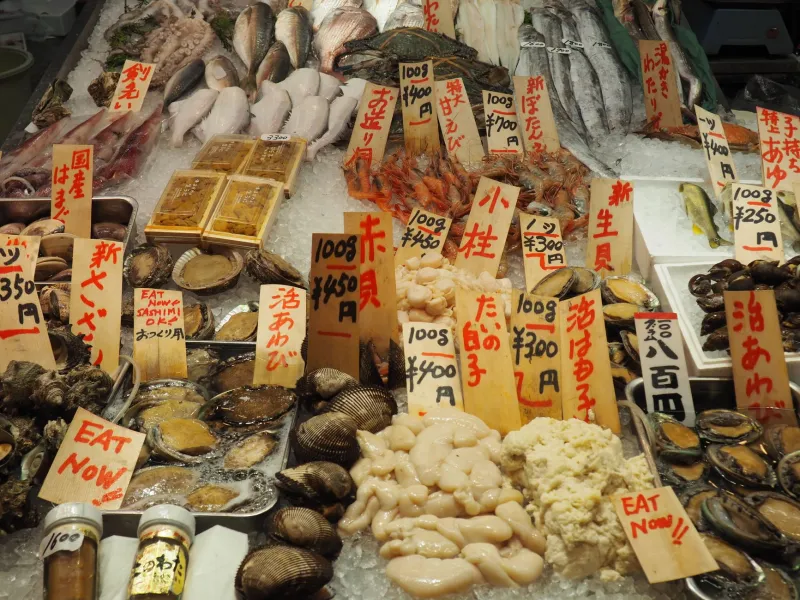
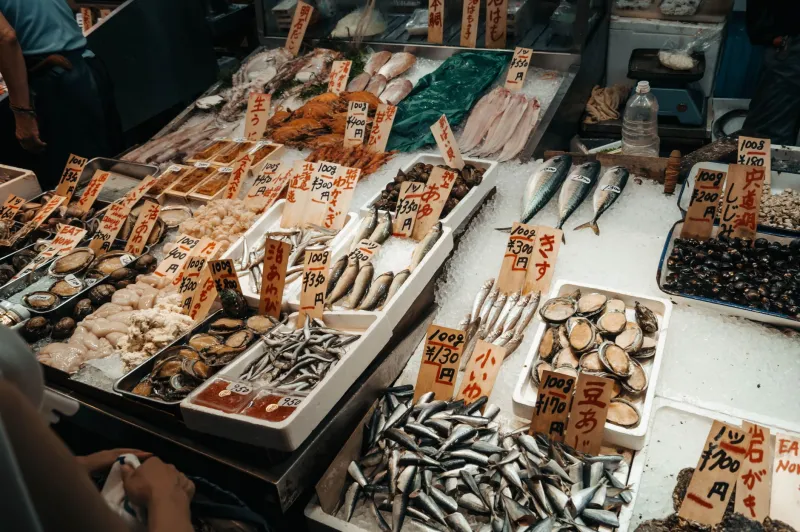
Let's clear something up: "trash fish" is a market term, not a quality judgment. It refers to species that get caught incidentally — the bycatch that ends up in the net alongside more commercially desirable fish. In Nagasaki's waters, that haul might include horse mackerel (aji), lizardfish (eso), small grunt fish, certain species of flatfish, and a rotating cast of creatures that simply don't photograph well or don't have the name recognition to command premium shelf space.
The irony? A lot of these fish are more flavorful than their expensive counterparts. They tend to be leaner or have a more complex fat profile. They're often fresher, because they move through the supply chain faster (or skip it entirely and go straight to a local cook). And they're loaded with the same omega-3s, minerals, and protein that make seafood such a nutritional powerhouse in the first place.
In Nagasaki, these catches have never been treated as lesser. They've been celebrated — just quietly, at home, at family tables, without much fanfare.
The Mottainai Kitchen in Practice
The mottainai approach to fish isn't just about which species you buy. It's about how completely you use what you bring home.
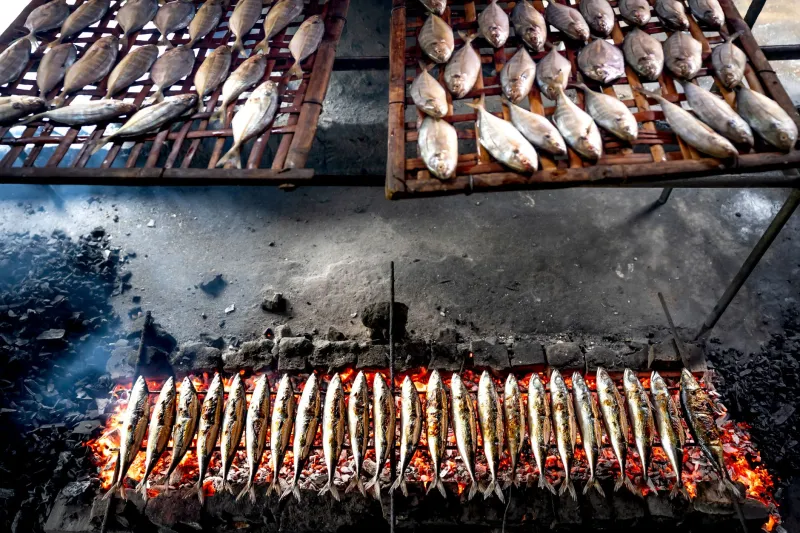
In traditional Nagasaki cooking, a single horse mackerel might serve three purposes: the fillet gets salted and grilled for dinner, the bones get simmered into a delicate broth that forms the base of a miso soup the next morning, and any remaining scraps get mixed with ginger and green onion into a hand-formed patty called nametsuke or fried into crispy little morsels that disappear as fast as you can make them.
Nothing is wasted. Every part of the fish carries flavor, and traditional Japanese technique has developed over centuries to coax that flavor out in the most efficient, satisfying way possible.
For American home cooks, this is actually a simpler way to cook — not a more complicated one. It just requires a slight mental shift away from the idea that seafood cooking means buying a premium cut and doing as little as possible to it.
Three Nagasaki-Inspired Species Worth Seeking Out
Horse Mackerel (Aji) This is arguably the most important fish in Nagasaki's everyday cooking tradition. Aji is rich without being heavy, with a clean oceanic flavor that holds up beautifully to salt-grilling, pickling, or slicing raw into tataki. In the US, you can sometimes find it at Japanese grocery stores or through community-supported fishery programs. If you can't track down aji specifically, look for domestic mackerel varieties — they share a similar flavor profile and are usually priced well below salmon or tuna.
Lizardfish (Eso) This one's genuinely underappreciated. Eso has a fine, sweet flesh that Nagasaki cooks have long used for making surimi (the processed fish paste that forms the base of fish cakes and kamaboko). At home, you can use it in fish patties, mixed into dumpling fillings, or even blended into a simple fish mousse. The texture is mild enough to appeal to people who claim they don't love fish, and the price — when you can find it — is almost embarrassingly low.
Small Flatfish and Flounder Varieties In the US, whole small flounder is often available at Asian fish markets for a fraction of what a fillet of the same species would cost at a mainstream grocery store. Nagasaki cooks have a long tradition of preparing these whole — either simmered in a sweet soy-based nimono broth or deep-fried until the bones themselves become edible and crispy. Both methods are forgiving for beginner cooks and deeply satisfying to eat.
The Technique Gap (And How to Close It)
Here's the honest part: one reason these fish don't get more love in American kitchens isn't snobbery. It's technique. Most American home cooks simply weren't raised knowing how to break down a whole fish, work around bones confidently, or build a broth from scraps.
But these are learnable skills, and they don't require culinary school. A few things that will immediately expand your mottainai cooking range:
- Get comfortable with a fish scaler and a simple filleting knife. Watching a few YouTube tutorials from Japanese home cooking channels will do more for your fish skills than any single cookbook.
- Start saving your fish bones in the freezer. Even if you're buying fillets right now, ask your fishmonger for the bones and head. Most will give them to you free or very cheap. Simmer them with water, ginger, and a strip of kombu for 20 minutes and you have an incredibly versatile broth.
- Embrace salt as a transformative ingredient. In Nagasaki cuisine, salting fish lightly before cooking isn't just seasoning — it draws out moisture, firms the texture, and concentrates flavor. Even 20 minutes of salting before a simple pan-fry makes a noticeable difference.
Why This Matters Right Now
Beyond the personal budget benefits, there's a bigger picture here. Overfishing of popular species like salmon and tuna is a well-documented problem. Meanwhile, dozens of sustainable, abundant species sit in fishing nets, get sorted out, and often end up discarded — not because they're inferior, but because consumer demand hasn't caught up with their actual quality.
Nagasaki's fishing culture figured this out a long time ago. The mottainai philosophy isn't just thrifty — it's ecologically sound. Spreading demand across a wider range of species takes pressure off the most vulnerable ones and supports the kind of diverse, healthy ocean ecosystems that make quality seafood possible in the first place.
Eating the fish nobody wants is, quietly, one of the most responsible things you can do as a seafood consumer.
The Fisherman's Dinner Is Waiting for You
You don't need to book a flight to Kyushu to eat the way Nagasaki's fishing families eat. You need a willingness to look past the salmon fillets at the front of the case, ask your fishmonger what came in that's underpriced and underappreciated, and trust that centuries of Japanese culinary tradition have already done the hard work of figuring out how to make those fish taste incredible.
Mottainai isn't just a philosophy. In Nagasaki, it's a way of eating that produces better meals, less waste, and a deeper connection to where your food actually comes from.
That's worth a lot more than a fancy label.