The Fish Nobody's Buying at the Seafood Counter — And Why That's Your Advantage
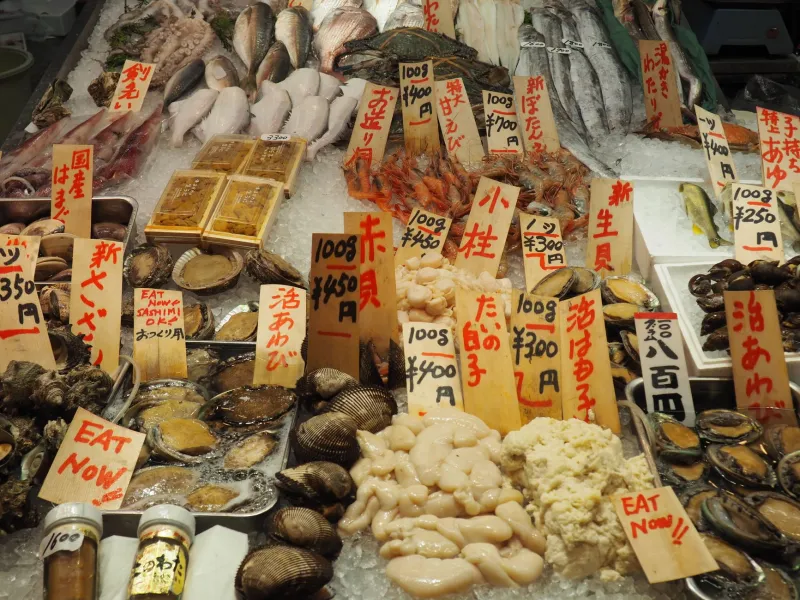
Let's be honest about something: the American seafood aisle is kind of stuck in a loop. Atlantic salmon, yellowfin tuna, maybe some shrimp if you're feeling adventurous. Week after week, the same rotation. And the prices? Don't get us started. Premium wild-caught salmon regularly clears $30–$40 a pound at specialty grocers, and sushi-grade tuna can push even higher. You're essentially paying a luxury tax on familiarity.
Meanwhile, in the waters off Nagasaki Prefecture — where the East China Sea and the Tsushima Current collide in one of the most biologically productive fishing zones in the Pacific — there are fish that professional chefs in Japan have been celebrating for centuries. Fish with complex, nuanced flavors. Fish loaded with omega-3s and lean protein. Fish that cost a reasonable amount of money because, frankly, most Americans haven't discovered them yet.
That's about to change. Or at least, it should.
The Problem With Playing It Safe at the Fish Counter
There's a well-documented phenomenon in the seafood industry called "species consolidation" — the tendency of retail markets to funnel consumer demand toward just a handful of recognizable varieties. In the US, ten species account for roughly 80% of all seafood consumed, with shrimp, salmon, and canned tuna leading the pack. This isn't because those fish are objectively superior. It's because grocery chains and restaurant distributors built their supply chains around them, and consumers followed.
The side effects are real. Overfishing pressure on popular species remains intense. Prices stay elevated because demand is concentrated. And a whole universe of genuinely delicious seafood sits underutilized — or gets exported to markets that know better.
Japan is one of those markets. And Nagasaki, with its deep fishing heritage and access to some of the richest coastal waters in Asia, has always maintained a broader, more adventurous relationship with what comes out of the sea.
Meet the Fish You've Been Missing
Kibinago (Slender Sprat)
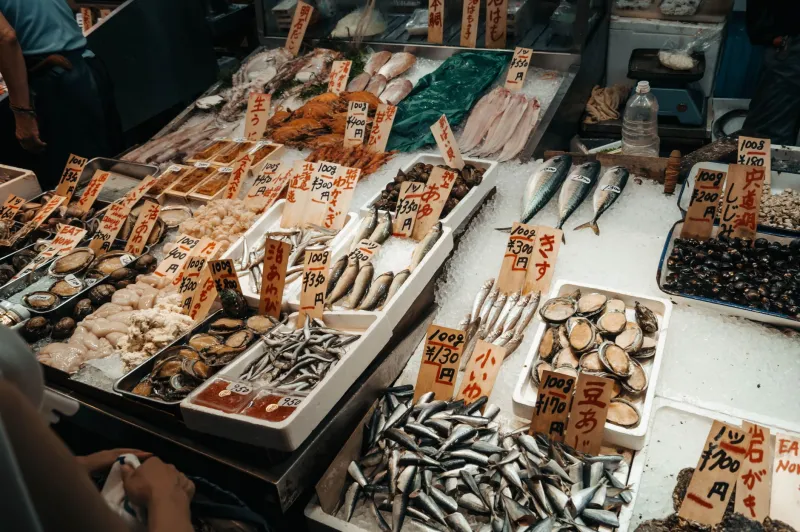
This small, silver-scaled fish is everywhere in Nagasaki. It shows up raw as sashimi fanned out in the shape of a chrysanthemum, grilled whole with just a pinch of salt, or fried into crispy tempura. Kibinago is mild, slightly sweet, and remarkably clean-tasting — nothing like the "fishy" stereotype that keeps some Americans away from smaller species. Because they're short-lived and reproduce quickly, they're also one of the more sustainable options in the water. In the US, comparable small fish like anchovies or smelts often get overlooked or dismissed as bait, but that's a cultural blind spot, not a culinary verdict.
Eso (Lizardfish)
The name doesn't do it any favors, but eso is genuinely worth seeking out. Nagasaki fishermen have long prized it for its firm, white flesh and high collagen content — it's the backbone of surimi, the processed fish paste used in kamaboko and other traditional preparations. But eaten fresh, eso has a delicate, slightly rich flavor that holds up beautifully to simmering in dashi or grilling over high heat. It's rarely imported to the US in meaningful quantities, which keeps the price low when you do find it at Japanese specialty markets.
Akamutsu (Rosy Seabass / Blackthroat Seaperch)
Okay, this one is starting to get attention from high-end American chefs, so the window on "undiscovered" might be closing. But for most home cooks, akamutsu remains an unknown quantity. That's a shame, because the fat content in this fish is extraordinary — closer to wagyu beef than what you'd expect from seafood. When grilled with the skin on, the fat renders out and bastes the flesh from the inside. The result is buttery, savory, and deeply satisfying in a way that lean, mild fish just can't replicate. In Nagasaki, it's considered one of the premium catch of the season. In the US, it's still a secret.
Saba (Japanese Mackerel)
Saba gets lumped in with "strong-flavored fish" and written off by people who've only encountered the canned or poorly handled version. Fresh saba from Nagasaki's waters is a completely different experience. The flesh is rich and oily, yes, but in the best possible way — the kind of fat that carries flavor rather than overwhelming it. Cured lightly in salt and vinegar for shime saba, or grilled with miso, it's one of those dishes that makes you reconsider everything you thought you knew about mackerel. Nutritionally, it's also a powerhouse: high in EPA and DHA omega-3s, vitamin B12, and selenium. And the price? Often a third of what you'd pay for comparable salmon.
The Sustainability Angle Is Real, Not Just Marketing
One of the quieter arguments for exploring Nagasaki's overlooked species is what it means for the ocean. When consumer demand is distributed across a wider range of species, fishing pressure on any single population decreases. Many of the fish that Nagasaki has traditionally celebrated — the small, fast-reproducing schooling fish, the mid-water species that don't require destructive bottom trawling — are inherently more resilient than the large, slow-maturing fish that dominate American seafood counters.
Nagasaki's fisheries have also maintained a culture of seasonal and regional awareness that predates modern sustainability frameworks by centuries. Knowing which fish are running when, respecting the rhythms of the sea, using the whole animal — these aren't new ideas in Kyushu. They're just ideas the broader American seafood market is slowly catching up to.
How to Actually Find These Fish in the US
This is the practical part, and it requires a little effort. Japanese grocery chains like Mitsuwa and Nijiya carry fresh and frozen fish that you simply won't find at a mainstream supermarket. Independent Japanese fish markets in cities with significant Japanese American communities — Los Angeles, San Francisco, New York, Seattle, Honolulu — are worth building a relationship with. Ask the fishmonger what came in fresh that week. Be open to the answer.
Online specialty seafood retailers have also expanded their range significantly in recent years. Some now import Japanese-style preparations or source Pacific fish caught using similar methods to Nagasaki's traditional fleets.
And if you're feeling ambitious: talk to your local fishmonger about lesser-known domestic species that share flavor profiles with Nagasaki's celebrated fish. Spanish mackerel for saba. Pacific smelt for kibinago. The spirit of the thing — curiosity, willingness to try something new — matters as much as the specific species.
The Real Cost of Sticking to What You Know
Paying $40 a pound for a fish because it has great marketing isn't inherently wrong. Sometimes premium prices reflect genuine quality, sustainable sourcing, and responsible supply chains. But when the price reflects nothing more than brand recognition and a lack of competition, you're leaving real value on the table.
Nagasaki's fishing heritage is built on the idea that the sea offers more than what's easiest to sell. The fishermen who've worked these waters for generations didn't get to be experts by limiting themselves to two or three species. They learned everything — every flavor, every texture, every preparation — because the sea demanded it, and because the rewards were worth it.
You don't have to book a flight to Kyushu to access that wisdom. You just have to be willing to point at something unfamiliar at the fish counter and say, "I'll try that."