Beyond Salmon and Tuna: The Nagasaki Fish You Should Be Cooking Right Now
Let's be honest. Most American seafood aisles could use a serious shakeup. Salmon fillet? Check. Ahi tuna steak? Got it. Beyond that, things get a little murky for the average home cook. But if you've ever eaten at a serious Japanese restaurant — the kind where the chef actually talks to you about where the fish came from — you might have noticed something: the most exciting stuff on the menu usually isn't what you recognize.
Nagasaki Prefecture sits at the western edge of Kyushu, facing the East China Sea, and its waters are genuinely some of the most biodiverse fishing grounds in all of Japan. The cold and warm currents that meet in this region create ideal conditions for an enormous variety of species — many of which never make it onto a Western menu, let alone into a Western kitchen. That's starting to change, slowly but surely, and we think it's worth getting ahead of the curve.
So let's talk about the fish you're probably not cooking yet — and why you absolutely should be.
Nodoguro: The Fish That Chefs Can't Stop Talking About
If you spend any time in Japanese culinary circles, you'll hear the word nodoguro come up constantly. Translated literally, it means "black throat" — a reference to the distinctive dark coloring inside the fish's mouth. The Western name is blackthroat seaperch, though that doesn't quite capture the reverence Japanese cooks have for it.
Nodoguro is prized above almost everything else in Nagasaki's fishing culture, and for good reason. The flesh is pale, fine-grained, and almost shockingly fatty for a white fish. It melts in a way that reminds you more of good toro than a typical sea perch. The flavor is clean but rich — oceanic without being fishy, with a subtle sweetness that lingers.
In Nagasaki, nodoguro is often prepared simply: salt-grilled (shioyaki) over high heat until the skin blisters and crisps, or simmered gently in a light soy and sake broth. The philosophy is to let the fish do the talking. And trust us — it has a lot to say.
For American home cooks, nodoguro can occasionally be sourced through Japanese fish importers and specialty online seafood retailers, particularly those that focus on sustainable, small-boat catches. If you find it, treat it gently. A hot cast iron pan, a little salt, and a squeeze of yuzu (or even lemon in a pinch) is genuinely all you need.
Kasugo: The Young Sea Bream Worth Getting Excited About
Sea bream — known in Japan as tai — holds an almost mythological status in Japanese food culture. It's the fish of celebrations, of good fortune, of New Year's feasts. But there's a younger, more delicate version of this iconic fish that doesn't get nearly enough attention outside of Japan: kasugo, or juvenile sea bream.
Kasugo are typically harvested in spring (the name itself is tied to the Japanese word for spring), when the fish are small and their flesh is at its most tender. Where adult sea bream can be firm and substantial, kasugo has an almost ethereal quality — light, barely-there, with a gentle sweetness that's hard to compare to anything in the Western seafood canon.
Because of their small size, kasugo are often prepared whole. In Nagasaki, you'll see them pickled with kombu and vinegar in a preparation called kobujime, or lightly cured and served as sushi. The curing process firms the flesh just slightly and concentrates the flavor without overwhelming the fish's natural delicacy.
For American cooks, the whole-fish preparation can feel intimidating — but it really shouldn't. A kasugo-sized fish (roughly the size of a large sardine or small trout) cooks in minutes. Score the skin, season with salt, and either pan-fry or roast at high heat. Serve with rice and pickled vegetables, and you've got a weeknight dinner that feels genuinely special.
A Few Other Species Worth Your Attention
Nodoguro and kasugo get a lot of the spotlight, but Nagasaki's waters offer a whole roster of underappreciated catches that are worth exploring if you can find them:
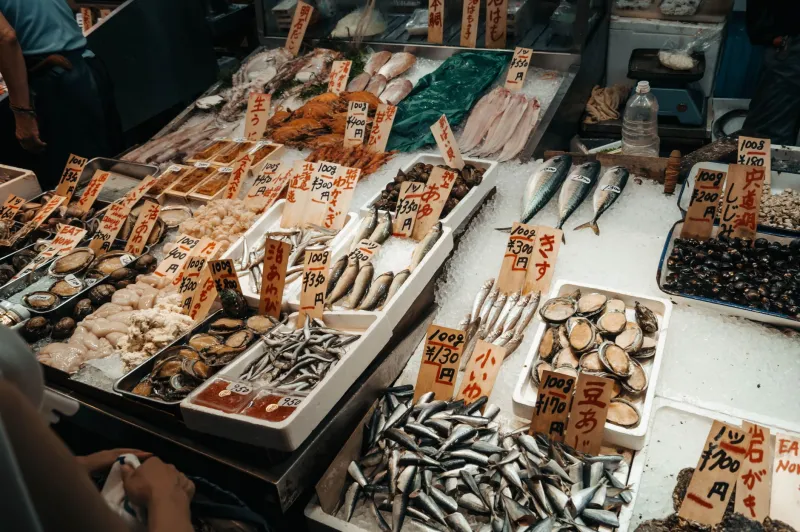
- Aji (Japanese horse mackerel): Smaller and more delicate than the Atlantic mackerel most Americans know, aji has a cleaner flavor and works beautifully as sashimi or fried whole in a light batter.
- Sasebo kinme (splendid alfonsino): A deep-water fish with vivid red skin and rich, flavorful flesh. Often braised in soy and mirin. Stunning on a plate.
- Shiromi (generic white fish varieties): Nagasaki's coastal waters yield several regional white fish that don't have clean English translations but appear in markets under the broader shiromi category. Worth asking about at any Japanese fish counter.
How to Actually Find These Fish in the US
This is where things get practical. A few years ago, sourcing Nagasaki-specific fish in America was nearly impossible outside of major coastal cities. That's genuinely changed.
A handful of online retailers now import Japanese-style seafood directly, including species like nodoguro and aji. Look for retailers that advertise flash-frozen Japanese catches — the freezing technology used in Japan is so advanced that the quality loss is minimal, often imperceptible. Sites like Catalina Offshore Products or Riviera Seafood Club occasionally carry Japanese-style species, and it's always worth calling ahead to ask.
If you live near a city with a substantial Japanese-American community — Los Angeles, Seattle, the Bay Area, Honolulu, New York — Japanese grocery stores like Mitsuwa or Nijiya are your best bet for fresh or frozen options. The fish counter staff at these stores are often incredibly knowledgeable and genuinely excited to talk about what they carry.
Finally, don't overlook Japanese restaurants as a gateway. Ordering nodoguro or kasugo at a restaurant before you try to cook it at home is a great way to understand what you're aiming for.
The Bigger Picture: Why This Matters
There's a reason Nagasaki's fishing culture has survived and thrived for centuries — the people there pay attention to what the ocean provides, season by season, species by species. They don't fixate on a handful of popular fish and ignore everything else. That relationship with the full range of what the sea offers is part of what makes Nagasaki's food culture so rich.
Bringing some of that philosophy into an American kitchen doesn't require a trip to Japan or a culinary degree. It just requires a little curiosity and a willingness to try something unfamiliar. Start with aji if you're nervous — it's approachable and forgiving. Work your way up to nodoguro when you're ready to be genuinely amazed.
Your dinner plans are about to get a lot more interesting.