What Nagasaki's Fish Markets Know That American Kitchens Don't — Yet
Walk into most American grocery stores and you'll find salmon every single week of the year. Atlantic cod, shrimp, tilapia — same faces, same shelf space, twelve months running. It's convenient, sure. But it's also a little like listening to the same playlist on repeat and calling it a music education.
Nagasaki does things differently. The fishing communities along Kyushu's rugged western coastline have operated for centuries under a simple but demanding principle: you cook what the water gives you. And what the water gives you changes — sometimes dramatically — from one season to the next. That philosophy, baked into the bones of every fish market from Hirado to the Goto Islands, is starting to turn heads in American culinary circles. And honestly? It's about time.
The Market as a Living Calendar
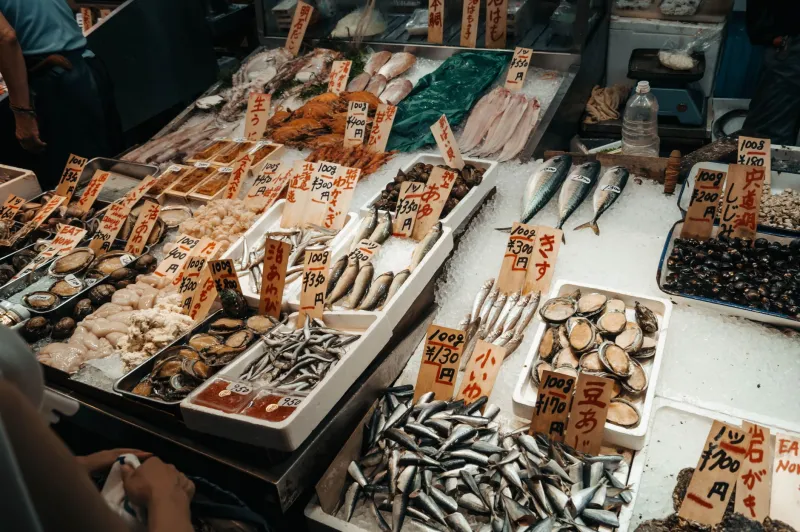
If you've ever had the chance to visit a Japanese fish market — even vicariously, through a documentary or a food travel series — you already know the visual drama. Glistening arrangements of fish you can't name, vendors who seem to communicate in a private language of gestures and nods, and an energy that feels less like commerce and more like ceremony.
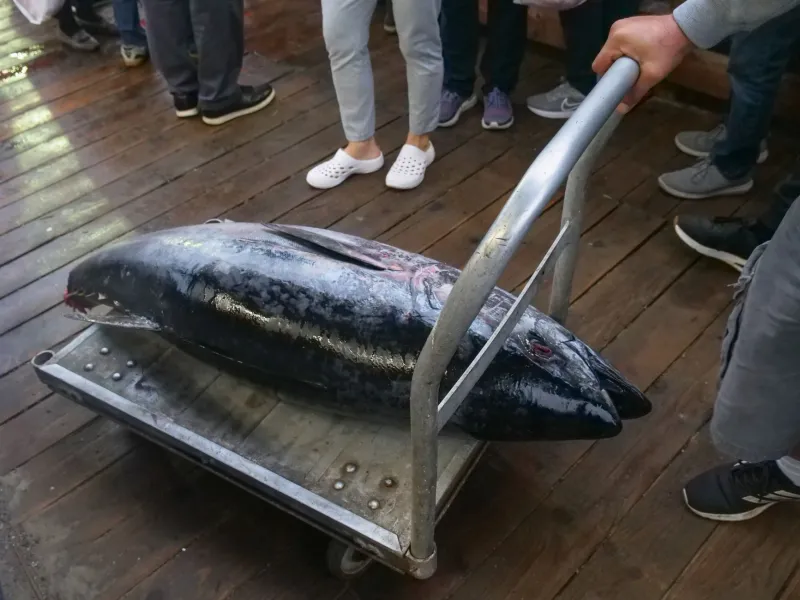
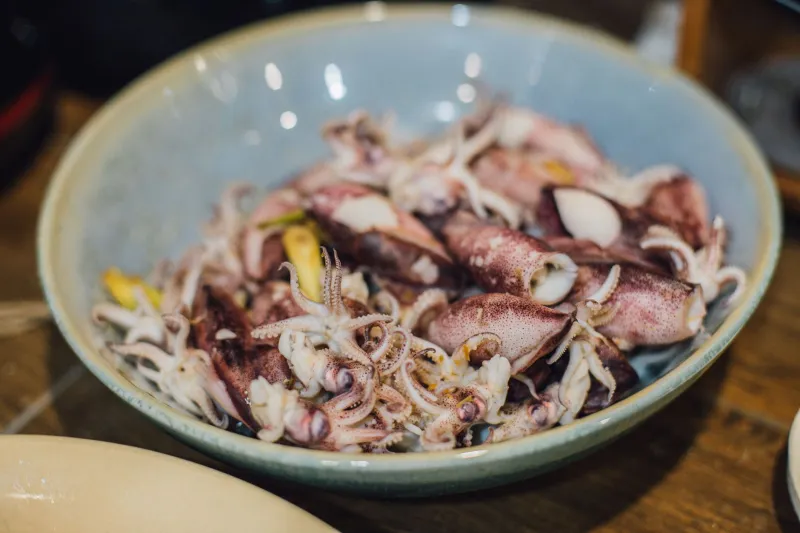
But what's easy to miss in all that spectacle is the underlying logic: Nagasaki's markets are, in effect, a living seasonal calendar. Spring brings bream and young yellowtail. Summer means squid — glorious, translucent squid — alongside bonito running hard through the Tsushima Strait. Autumn ushers in mackerel at its fatty, flavorful peak. Winter delivers flounder and oysters from the cold, nutrient-dense waters around the Goto Islands.
Local chefs don't fight these rhythms. They build around them. The menu isn't a fixed document — it's a conversation with the season.
Why American Kitchens Got Hooked on Year-Round Consistency
To be fair, the American expectation of consistent ingredient availability didn't come from nowhere. It's a product of a food system engineered for scale and convenience — refrigerated shipping, aquaculture, global sourcing. You can get Chilean sea bass in Ohio in February. That's genuinely impressive, logistically speaking.
But there's a cost. When everything is always available, nothing is particularly special. And more practically, fish that's been traveling for days to reach your plate is never going to hit the way a fish pulled from the water this morning does.
American restaurant culture is starting to push back against this. You're seeing it at farm-to-table spots that post daily-changing menus on chalkboards, and at high-end seafood restaurants where the chef's tasting menu lists catch by the individual boat. The Nagasaki model — one that American chefs are increasingly studying — offers a kind of philosophical backbone for this shift.
What Professional Chefs Are Taking Away from Nagasaki
Several American chefs who have spent time in Nagasaki or worked alongside Japanese fishing communities describe the experience as fundamentally reorienting. The big takeaway isn't a specific technique or a particular fish. It's the mental shift from "what do I want to cook?" to "what's worth cooking right now?"
That reframe has practical consequences. A chef who builds their menu around seasonal availability tends to develop deeper relationships with local suppliers — because they're actually paying attention to what those suppliers are catching. They become better at using whole fish rather than fillets, because they're working with whatever comes in, not just the cuts they've pre-planned around. And their customers, over time, develop a kind of seasonal anticipation — looking forward to the return of a dish the way you'd look forward to the first strawberries of summer.
It's a slower, more deliberate approach to cooking. Nagasaki has been practicing it for generations.
Building a Seasonal Seafood Kitchen at Home
You don't need to fly to Kyushu to start cooking this way. A few practical shifts can move your home kitchen meaningfully closer to the Nagasaki approach.
Find a fishmonger who actually talks to you. This sounds basic, but it's transformative. A good fishmonger knows what came in fresh that morning, what's running well right now, and what you should probably skip this week. Ask questions. Build the relationship. It pays off.
Let the fish decide the dish. Instead of planning a recipe and then shopping for it, try going to the market first and buying what looks best — then figuring out what to make. This is how most Japanese home cooks approach seafood, and it produces better meals with less effort than you'd expect.
Learn a few versatile techniques rather than a lot of specific recipes. If you know how to salt-grill a whole fish, how to make a simple dashi, and how to cure fish lightly with salt and citrus, you can do something delicious with almost any species that comes your way. These are the kinds of foundational skills that Nagasaki's food culture has refined over centuries.
Pay attention to what's actually in season near you. Nagasaki's seasonality is specific to Kyushu's waters, but every region has its own rhythms. Chesapeake blue crab in late summer. Pacific halibut in spring. Gulf shrimp in the fall. The more you tune into your local fishing calendar, the more you'll start eating the way Nagasaki cooks have always eaten — with the grain of the ocean rather than against it.
Don't be afraid of unfamiliar fish. One of the most freeing things about a seasonal approach is that it pushes you toward species you'd never otherwise try. That's exactly how Nagasaki's lesser-known catches — horse mackerel, largehead hairtail, the remarkable varieties of local sea bream — end up on the plate. Curiosity, more than anything else, is the real engine of this cooking philosophy.
The Bigger Picture
There's something almost countercultural about cooking seasonally in a food system built for perpetual availability. It requires a bit of flexibility, a willingness to be surprised, and a trust that the ocean — or the river, or the bay near you — knows what it's doing.
Nagasaki's fish markets have been running on that trust for a very long time. The results speak for themselves: a cuisine that's deeply connected to place, genuinely responsive to the natural world, and — not coincidentally — extraordinarily delicious.
American kitchens, professional and home alike, have a lot to learn from that. The good news is that the lesson isn't complicated. It just starts with asking one different question when you walk into the market: not "what do I want?" but "what's good today?"