The Hidden Menu at Your Japanese Restaurant: How to Order Nagasaki Fish Like an Insider
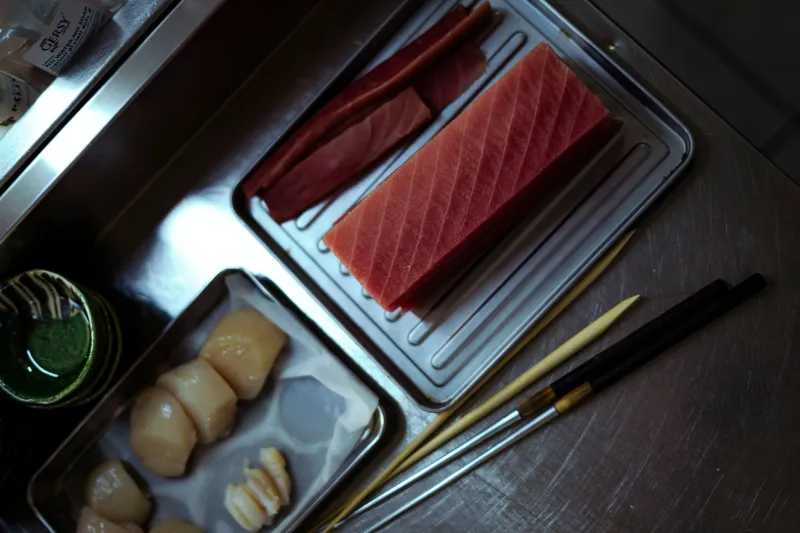
Sit down at almost any Japanese restaurant in the US and you'll find the same familiar lineup: salmon, tuna, yellowtail, maybe some shrimp. It's a greatest-hits menu designed for broad appeal, and there's nothing wrong with it. But if you've ever watched a Japanese chef's eyes light up when a particular delivery arrives — and then noticed that ingredient never appear on the printed menu — you've glimpsed something real.
There's a whole secondary world of Nagasaki-sourced fish that circulates quietly through Japanese restaurant supply chains, ends up in the kitchen, and gets enjoyed by staff, regulars who know to ask, and the occasional lucky diner who says the right thing at the right moment. This guide is about getting you into that circle.
Why These Fish Stay Off the Menu
Before we get into specifics, it's worth understanding why this happens in the first place. Japanese restaurant owners aren't trying to be secretive. The reality is more practical and a little frustrating.
Many of Nagasaki's most prized fish have names that don't translate cleanly into English, don't have obvious Western equivalents, and carry zero brand recognition with the average American diner. A chef who tries to put "kinmedai" on an English menu has to either explain what it is from scratch every single time, or watch it sit unsold while the salmon flies out. Most choose the path of least resistance and keep those fish as daily specials, off-menu items, or staff meals.
There's also the issue of supply consistency. Some of these species arrive irregularly, in small quantities, and at prices that fluctuate with the season. Building a menu around them is a logistical headache. So they stay in the back, available to those who know to ask.
The Species Worth Asking About
Kinmedai (Splendid Alfonsino) This might be the most underappreciated fish in the Japanese culinary canon, at least from an American perspective. Kinmedai — literally "golden eye sea bream" — has vivid red skin, large reflective eyes, and flesh that's incredibly moist and rich. It's a deep-water fish caught off Nagasaki's coasts, and it's absolutely stunning when braised in a light soy and mirin broth (a preparation called nitsuke). If your Japanese restaurant has it, it'll likely be a special. Ask your server: "Do you have kinmedai tonight?"
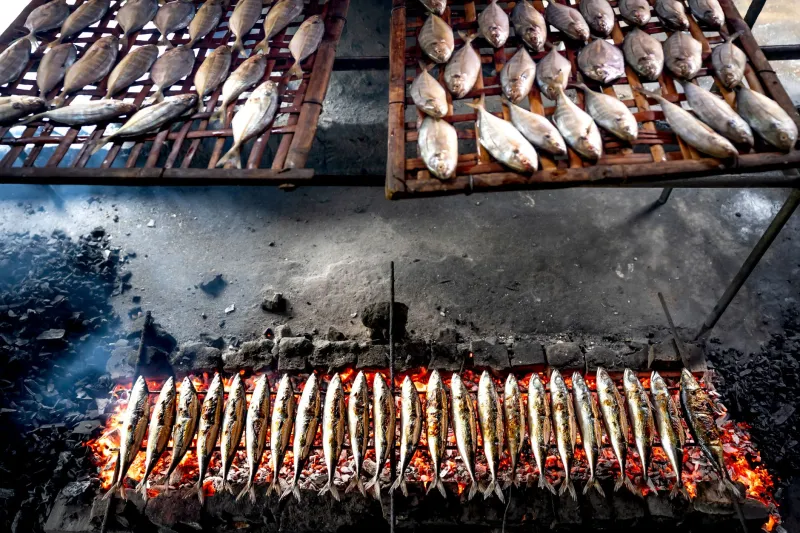
Nodoguro (Blackthroat Seaperch) Nodoguro has developed a bit of a cult following among Japanese food enthusiasts in the US, but it's still largely unknown outside that circle. Sometimes called "white tuna of the sea" in Japan for its extraordinary fat content, nodoguro from Nagasaki's waters is prized for its melt-in-your-mouth texture. It's exceptional grilled with salt — the skin crisps up while the flesh stays almost custard-like underneath. If you see it listed anywhere or can ask about it, do.
Ishidai (Striped Beakfish) Ishidai is a strikingly beautiful fish — black and white striped, with a parrot-like beak — and it's got a clean, slightly sweet flavor that makes it ideal for sashimi or simple preparation. It's not cheap, which is part of why it stays off standard menus, but it's worth asking about at higher-end Japanese restaurants near you.
Akou (Red Grouper) Commonly found in Nagasaki's waters and beloved for its firm, white, mildly sweet flesh, akou is a staple of kaiseki (Japanese haute cuisine) but rarely appears on casual restaurant menus in the US. It's excellent in hot pots or steamed simply with ginger and scallion in the Cantonese style that Nagasaki's historic trade connections with China made popular locally.
Sazae (Turban Shell) Okay, this one's a stretch for most restaurants, but if you're at a place that does izakaya-style small plates, sazae grilled in the shell with a bit of soy and sake is one of the great simple pleasures of Nagasaki coastal cuisine. The meat is chewy, briny, and deeply satisfying. Ask about it — the worst they can say is no.
How to Actually Ask
The key is to ask in a way that signals you know what you're talking about without being insufferable about it. A few approaches that work:
Before you sit down: If you're at a Japanese restaurant with a fish counter or an open kitchen, scan what's being prepped. If you see something unfamiliar, that's your opening.
Use the Japanese name: Even if your pronunciation isn't perfect, using the Japanese name signals genuine interest. "Do you happen to have any nodoguro tonight?" lands very differently than "what's your most unusual fish?"
Talk to the right person: Your server may not know. Ask if you can speak with the chef or the kitchen manager, especially at quieter times. At a good Japanese restaurant, expressing genuine curiosity about the fish is almost always welcomed.
Become a regular: This one takes time, but it's the most reliable path. Regulars who've demonstrated interest in the kitchen's actual passions — rather than just ordering the salmon every time — are the ones who get called when something special comes in.
Building Relationships with Fishmongers
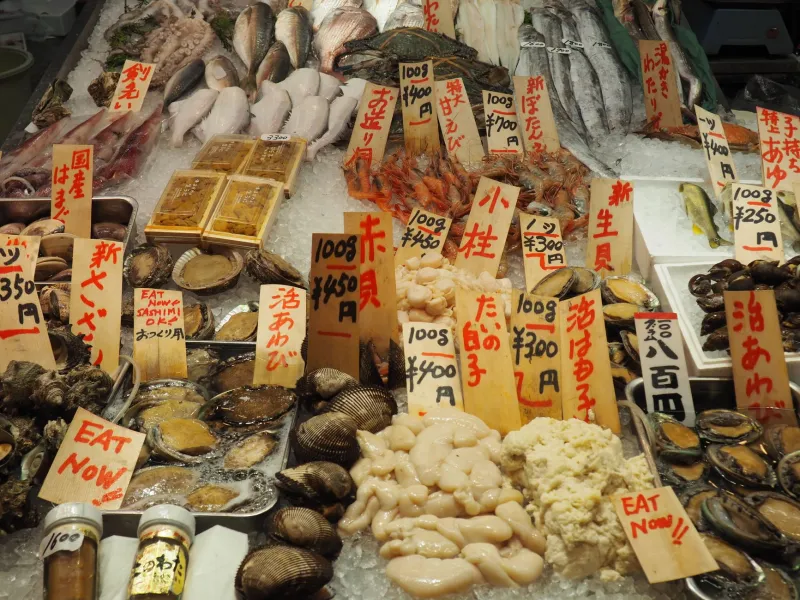
The same logic applies to Japanese grocery stores and specialty fish markets. The fish counter staff at stores like Mitsuwa or Nijiya often have access to Nagasaki-origin fish that isn't displayed in the case — it's in the back, reserved for customers who've asked about it before.
Introduce yourself. Ask what's coming in this week. Mention specific fish by name. Leave your contact info and ask to be notified when something interesting arrives. This sounds like a lot of effort, but it's really just a couple of conversations, and the payoff — being called when a shipment of kinmedai or nodoguro lands — is absolutely worth it.
A Small Vocabulary Goes a Long Way
You don't need to speak Japanese to navigate this world. A handful of words will take you surprisingly far: shun (peak season), tokusen (specially selected), nama (fresh/raw), and yaki (grilled) are useful starting points. Pair those with the fish names above and you'll sound like someone who actually knows what they're doing — because you will.