Frozen Beats Fresh: The Cold Chain Science That Makes Nagasaki Seafood a Smart Buy
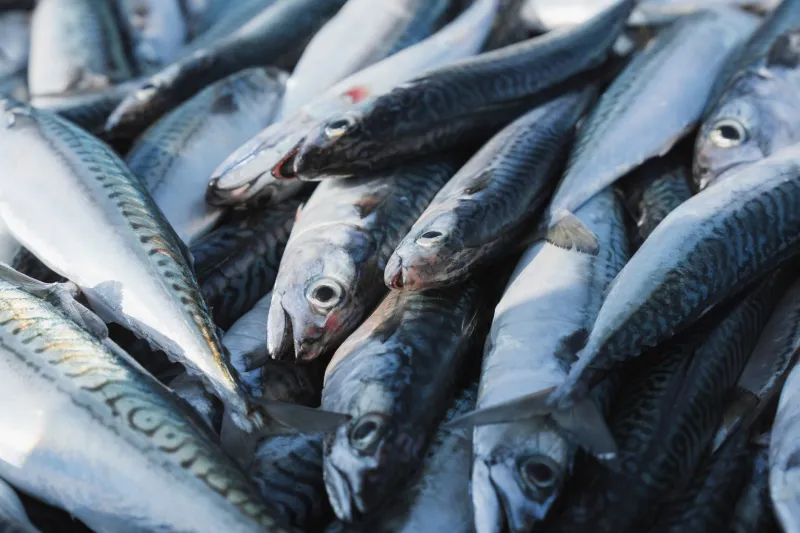
Walk into any American supermarket and you'll find two categories of fish at the counter: fresh and frozen. The fresh stuff sits on ice, usually unlabeled beyond species and price. The frozen stuff lives in a case nearby, often in vacuum-sealed bags, and carries a subtle stigma — the sense that it's somehow a lesser product, a compromise.
That assumption is wrong. And nowhere is it more wrong than when you're talking about seafood from Nagasaki.
This isn't a marketing claim. It's physics, biology, and logistics — and once you understand how Nagasaki's cold chain actually works, you'll probably never look at a supermarket fish counter the same way again.
The Problem with "Fresh"
Let's start with what "fresh" actually means in the context of US seafood distribution, because it's not what most people assume.
When a fish is caught off the coast of Nagasaki, it begins deteriorating almost immediately. Enzymes in the flesh start breaking down proteins. Bacteria — naturally present in the gut and on the skin — begin multiplying. The clock is running.
By the time that fish is processed, packed, shipped to the US (typically via air freight, which still takes 18–30 hours minimum), cleared through customs, distributed to a regional warehouse, and finally delivered to a retail seafood counter, you're often looking at three to five days of elapsed time. At refrigerated temperatures — typically around 32–38°F — deterioration is slowed but not stopped. You're buying fish that's been in slow decline since it left the water.
None of this means the fish is unsafe or even bad. But it does mean that "fresh" is a relative term, and in many cases, it's doing a lot of marketing work that the actual product can't quite back up.
What Flash Freezing Actually Does
Here's where Nagasaki's approach gets interesting.
Modern flash freezing — technically called Individual Quick Freezing or IQF — drops the temperature of a fish from ambient to around -40°F (or lower) in a matter of minutes, often done directly on the vessel or at a dockside facility within hours of the catch. At those temperatures, bacterial activity essentially stops. Enzymatic breakdown halts. The fish is, for all practical purposes, paused in time.
The critical detail is the speed. When water in fish flesh freezes slowly — the way it does in a home freezer — it forms large ice crystals that puncture cell walls, causing the mushy, weepy texture that gives frozen fish a bad reputation. Flash freezing creates ice crystals so small they cause virtually no cellular damage. When the fish is thawed properly, the texture is nearly indistinguishable from fish that was never frozen at all.
Japan has been refining this technology for decades, driven partly by the demands of the sushi market — where texture and flavor tolerances are essentially zero — and partly by the geographic reality of fishing grounds that are often far from consumption centers. Nagasaki's fishing industry, with its long tradition of sending high-value catches to Tokyo and Osaka, has been at the forefront of cold chain development.
The Taste Test Evidence
Skeptical? The food science community has run the numbers.
Multiple blind taste comparisons conducted by culinary researchers and food journalists have found that properly flash-frozen and thawed fish is rated equal to or higher than "fresh" fish that's been in refrigerated distribution for more than 48 hours. The gap widens significantly after 72 hours. By day four or five — which is well within the normal retail window for "fresh" imported fish — frozen fish wins the comparison consistently.
Chefs at high-end Japanese restaurants in New York, Los Angeles, and Chicago have been quietly using flash-frozen Nagasaki fish for years. Some are upfront about it; others let diners assume it's fresh. In either case, the quality speaks for itself.
What to Look For When Buying Online
The good news is that sourcing properly frozen Nagasaki seafood has gotten significantly easier over the past few years. A handful of importers and specialty retailers have built the US infrastructure to handle it correctly. Here's what to look for:
Frozen-at-sea or dockside freezing: The label or product description should specify when the fish was frozen. "Frozen at sea" is the gold standard — it means the fish went into the freezer within hours of being caught, before it ever touched a distribution warehouse.
Temperature specifications: Reputable importers will note that their product is stored and shipped at -40°F or lower (sometimes labeled as "super-frozen" or "sashimi-grade frozen"). This is meaningfully different from fish frozen at standard commercial temperatures of around 0°F.
Vacuum-sealed packaging: This prevents freezer burn and oxidation during transit. If you're ordering online, check that the retailer ships with dry ice and guarantees arrival temperature.
Clear origin labeling: Look for explicit mention of Nagasaki Prefecture or specific fishing grounds. Generic "Japanese seafood" labels are less reliable indicators of quality and sourcing standards.
Reliable US sources include True World Foods (which supplies many Japanese restaurants and has a consumer-facing operation), select items through Catalina Offshore Products, and the frozen seafood sections of Mitsuwa and H Mart locations, which often carry Nagasaki-origin products.
Thawing It Right
All of this only works if you thaw the fish correctly — and this is where most home cooks make their mistake.
Never thaw fish at room temperature or under warm running water. The goal is a slow, controlled thaw that keeps the flesh cold throughout the process. The best method: transfer the vacuum-sealed fish from the freezer to the refrigerator the night before you plan to cook it. It'll be perfectly thawed and cold — right where you want it — by the next evening.
If you're short on time, a cold-water bath works too. Submerge the sealed package in a bowl of cold (not warm) water and change the water every 20–30 minutes. Most fillets will be ready in under an hour.
Rethinking Your Seafood Buying Habits
The practical upshot of all this is pretty straightforward: when you're choosing between a piece of "fresh" imported fish that's been in transit for several days and a properly flash-frozen Nagasaki fillet that was locked in at peak quality the same day it was caught, the frozen option is often the smarter buy — both for flavor and for your money.
Nagasaki's fishermen and processors didn't develop these cold chain methods to cut corners. They developed them because quality matters, and because the ocean's best work deserves to arrive at your table in the best possible condition. The freezer is just the most honest way to make that happen.