The Quiet Revolution on Japanese Restaurant Menus: How Nagasaki's Overlooked Fish Are Winning Over American Chefs
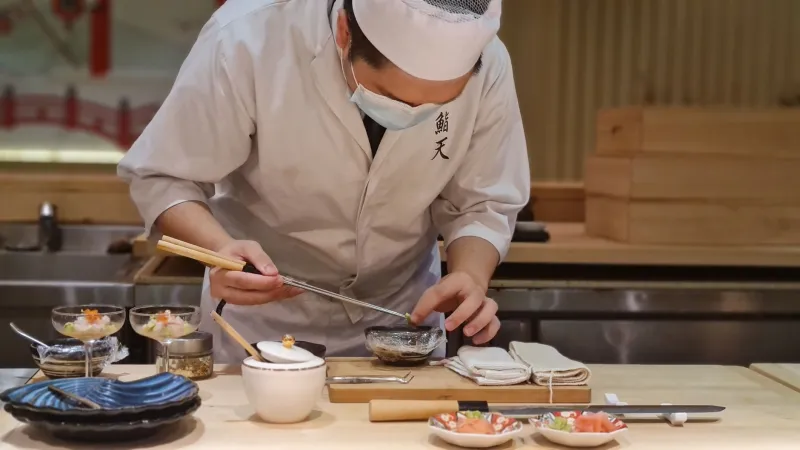
Walk into almost any high-end Japanese restaurant in New York, Los Angeles, or Chicago right now, and you might notice something a little different on the menu. Alongside the usual omakase staples — the silky otoro, the dependable king salmon — there are names you probably don't recognize. Akamutsu. Shiro amadai. Kibinago. Ask your server where they come from, and there's a decent chance the answer is Nagasaki.
For decades, premium Japanese dining in America ran on a fairly predictable supply chain. Import the big names, build the menu around them, and repeat. But that model is cracking — and a growing number of chefs are quietly replacing it with something more interesting.
The Import Model Is Showing Its Age
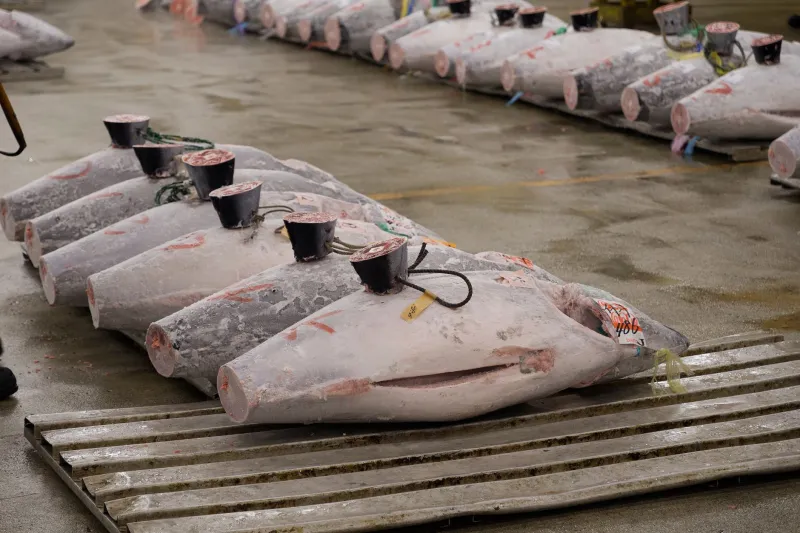
The traditional approach to sourcing for Japanese restaurants in the US leaned heavily on a handful of marquee species: bluefin tuna from the Mediterranean or Pacific, Atlantic salmon, yellowtail from Australian farms. These are crowd-pleasers, no question. But ask the chefs who've been running their kitchens for fifteen or twenty years, and many will tell you the same thing — the supply chain has gotten shakier, the prices more volatile, and the product itself sometimes harder to justify at the premium they're charging.
That frustration has opened a door. And Nagasaki, with its extraordinary biodiversity and centuries of small-boat fishing tradition, has been walking right through it.
"When I started sourcing from Nagasaki distributors directly, I wasn't looking for a trend," says one chef at a well-regarded omakase counter in San Francisco. "I was looking for consistency and quality I could actually stand behind. What I found was a whole vocabulary of fish I'd never really worked with in this country."
Sustainability Isn't Just a Buzzword Anymore
Part of what's driving this shift is genuine — not marketing-speak — concern about sustainability. Bluefin populations, despite some recovery efforts, remain under pressure. Farmed salmon, while reliable, carries its own set of environmental baggage that increasingly savvy American diners are starting to ask about.
Nagasaki's fishing industry, by contrast, operates under Japan's relatively strict regional fishery management frameworks. Many of the species being rediscovered by American chefs are caught using traditional methods — hook-and-line, small-scale nets — that leave a lighter footprint. That story resonates with the kind of customer willing to spend $200 on a tasting menu.
"Our guests ask questions now that they never used to ask five years ago," notes a distributor who works with several Kyushu-based fishing cooperatives to supply restaurants on the East Coast. "They want to know how it was caught, where exactly, whether the population is healthy. Nagasaki fish hold up really well under that scrutiny."
The Species Nobody's Talking About (Yet)
So which fish are actually making the jump? A few names keep coming up in conversations with chefs and importers.
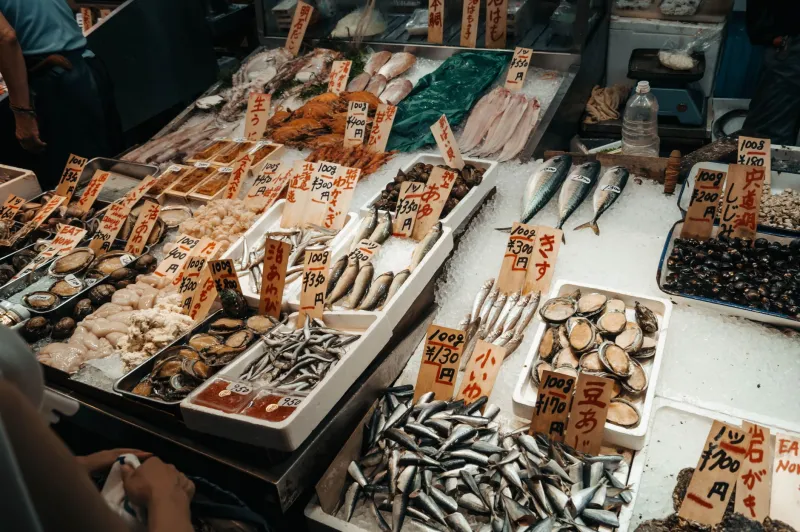
Akamutsu (rosy seabass) is probably the most buzzed-about right now. It's a deep-water fish with extraordinarily high fat content — some chefs describe it as having the richness of otoro with a cleaner, more delicate finish. It's been a prized fish in Japan for generations, but almost unknown in American dining rooms until recently.
Shiro amadai, or white tilefish, is another one gaining traction. Its scales, when cooked properly using the matsukasa technique — pressing them against a hot pan so they crisp like tiny chips — create a textural experience that chefs say genuinely surprises guests who think they've seen everything.
Kibinago, a small silver herring native to the waters around Kyushu, is showing up on more menus as chefs explore lighter, more acidic preparations. It's the kind of fish that rewards simplicity — a little salt, a little citrus — and it photographs beautifully, which doesn't hurt in the age of food Instagram.
"These aren't fish I'm putting on the menu because they're exotic," one chef based in the West Village explained. "They're on the menu because when I taste them next to what I was using before, they win."
Supply Chain Reliability: The Unsexy Factor That Actually Matters
Here's the part of this story that doesn't make it into glossy food magazine profiles but matters enormously to anyone actually running a restaurant: supply chain reliability.
The pandemic exposed just how fragile the traditional import model was. Restaurants that had built their identities around specific imported products found themselves scrambling when logistics broke down. Some of those restaurants never fully recovered.
What's emerged from that experience is a stronger appetite — pun intended — for diversified sourcing. Nagasaki's fishing cooperatives, working with a new generation of Japan-US seafood importers, have been able to offer something the big commodity suppliers sometimes can't: smaller, more consistent shipments of high-quality product with better traceability.
"It's not about volume," says the East Coast distributor. "It's about being able to call my contact at the cooperative and know exactly what's coming, when it's coming, and what condition it's in. That kind of relationship is hard to build, but once you have it, it changes everything."
A New Kind of Menu Story
There's also a narrative dimension to this shift that's worth paying attention to. Japanese restaurants — particularly at the high end — have always sold an experience, not just a meal. The story of the fish matters as much as the fish itself.
Nagasaki offers a rich story. It's one of Japan's oldest port cities, a place where fishing culture runs so deep it's woven into local identity. The image of a small wooden boat heading out into the waters between Kyushu and the East China Sea before dawn, returning with a catch that ends up on a plate in Manhattan twelve hours later — that's a story diners actually want to hear.
Chefs are starting to tell it. Menu cards with brief notes on the fishing grounds. Servers trained to explain the difference between a fish caught by a small cooperative in Nagasaki versus a commodity import. Some restaurants are even running occasional "Nagasaki nights" — entire tasting menus built around the region's seasonal catches.
"When I explain to a guest what akamutsu is and where it comes from, they're engaged in a way they're not when I say 'this is our tuna," one chef observed. "It opens up the whole meal."
What This Means for the Broader Market
This is still a niche movement. The vast majority of Japanese restaurants in the US aren't sourcing directly from Nagasaki fishing cooperatives, and the logistics remain genuinely complicated. Airfreight costs, import regulations, and the sheer challenge of maintaining quality across a long supply chain mean this isn't something every operation can pull off.
But the direction of travel seems clear. As more chefs discover these species, as distributors build out better infrastructure, and as American diners continue to develop more sophisticated palates and more pointed questions about where their food comes from, the market for Nagasaki's hidden catches is only going to grow.
Salmon and tuna aren't going anywhere. But they're going to have company on the menu — and that company is increasingly coming from the waters off Kyushu.