The Flavor Underdog: Why Nagasaki's Cheaper Fish Punch Way Above Their Weight on Umami
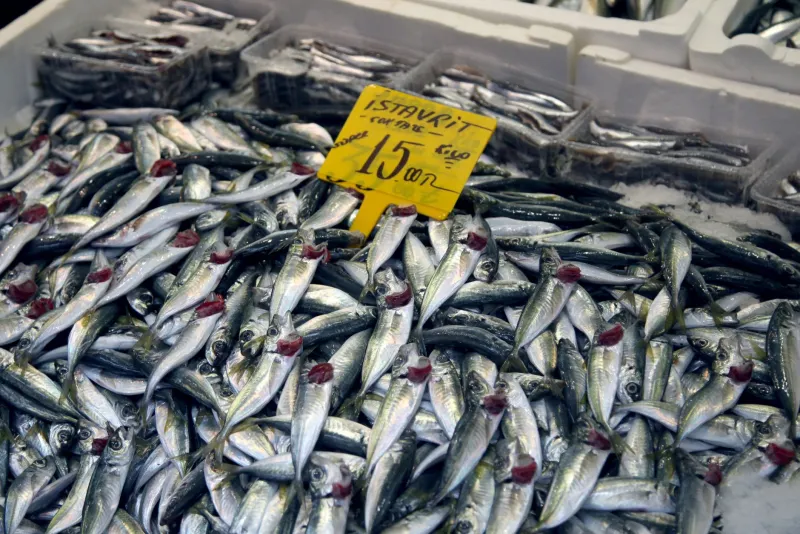
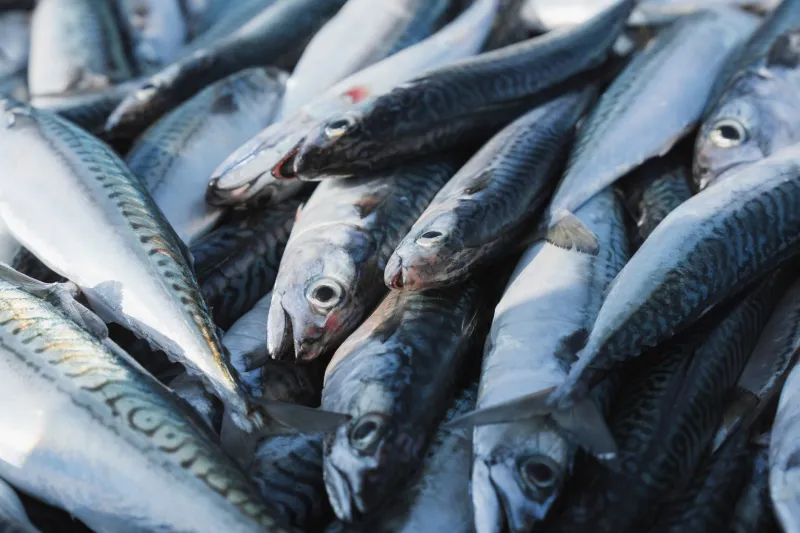
Let me say something that will probably annoy fans of bluefin tuna: a well-prepared horse mackerel from Nagasaki's coastal waters might give you a more satisfying, more layered flavor experience than a piece of premium toro that costs ten times as much. This isn't contrarianism for its own sake. It's a claim with real biochemical backing — and it's one that Nagasaki's fishing communities have been making through their cooking for centuries, even if they never framed it in terms of glutamates and nucleotides.
Understanding why this is true requires a short detour into food chemistry. But stick with me, because the payoff is genuinely useful in your kitchen.
Umami Is a Numbers Game — And Secondary Species Are Winning
Umami, the fifth taste, is driven primarily by three compounds: glutamic acid (the amino acid that gives aged parmesan and soy sauce their depth), inosine monophosphate (IMP), and guanosine monophosphate (GMP). In seafood, the key players are glutamates and IMP, and the way they interact is where things get interesting.
Here's the part that surprises most people: IMP concentrations in fish flesh don't peak at the moment of catch. They actually increase in the hours immediately following death as ATP (the energy molecule in muscle tissue) breaks down through a predictable chain reaction. The fish, in a sense, becomes more flavorful after it dies — up to a point. What happens next depends heavily on species biology, fat content, and how the fish was handled.
Bluewater pelagic fish like premium tuna carry significant IMP, which is part of why they taste so good raw. But they also have relatively simple flavor profiles when measured against the full umami spectrum. Smaller, coastal species — the horse mackerel (aji), sardines (iwashi), filefish (kawahagi), and yellowback sea bream that dominate Nagasaki's secondary catch — often carry a more complex combination of glutamates alongside their IMP load. That combination creates what food scientists call a synergistic umami effect: the flavors multiply rather than simply add.
What Nagasaki's Fishing Culture Already Knew
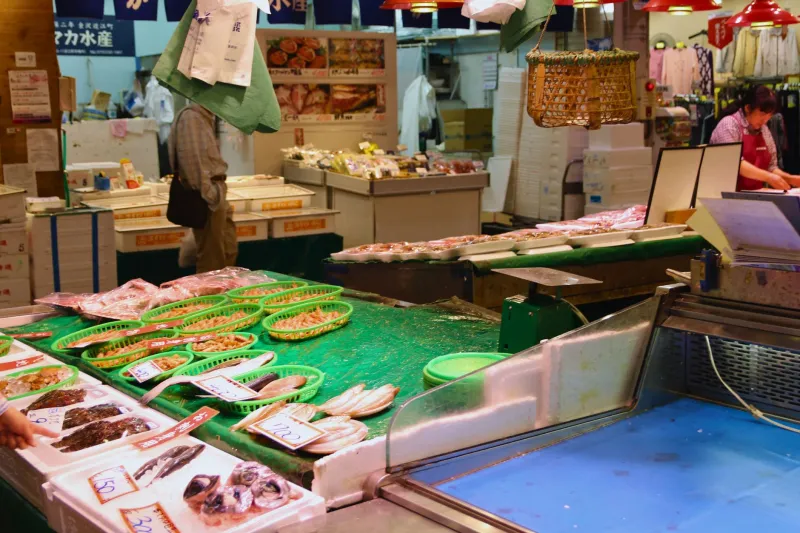
The fishing communities around Nagasaki didn't need a chemistry lab to figure this out. They figured it out through centuries of cooking with what they had, and what they had was a lot of fish that Tokyo's premium markets didn't want.
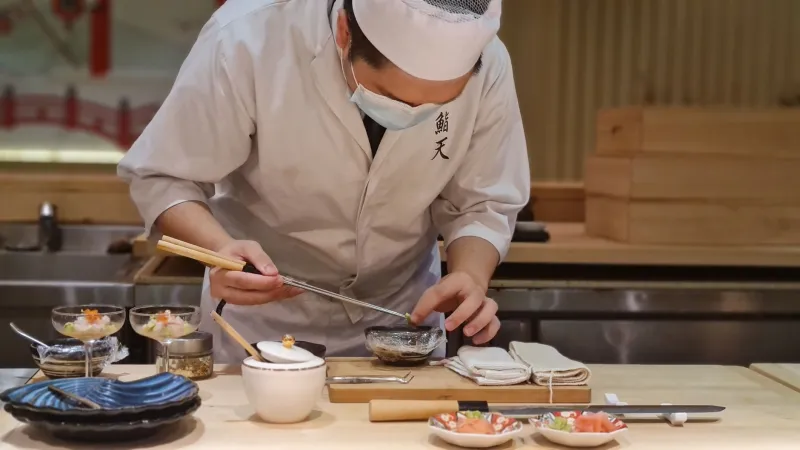
Horse mackerel prepared as aji tataki — finely chopped with ginger, scallions, and miso — delivers an intensity of flavor that seems almost impossible given how humble the ingredient is. Sardines cured briefly in salt and vinegar develop a savory depth that makes a simple bowl of rice feel complete. These preparations weren't invented as clever ways to dress up cheap fish. They were developed because the fish itself, handled correctly, had something genuinely extraordinary to offer.
The key phrase there is handled correctly. Secondary species tend to be more biochemically active than their premium counterparts. Their enzymes work faster, which means they move through their flavor development window more quickly. A sardine at peak umami is a genuinely different product than a sardine that's been sitting in a display case for two days. Nagasaki's cooking traditions evolved around consuming these fish at the right moment, which is why so many preparations are fast, minimal, and built to let the fish speak.
The Fat Factor: Why Oily Fish Taste More Complex
There's another dimension to this that doesn't get enough attention in American food writing: the role of fat in umami perception.
Many of Nagasaki's secondary species are what's classified as blue fish — oily, omega-3-rich fish whose fat is distributed throughout the flesh rather than concentrated in specific cuts. This intramuscular fat does something interesting to flavor perception. It slows the release of volatile aromatic compounds on the palate, extending the flavor experience and creating what tasters often describe as a "longer finish." It also carries fat-soluble flavor compounds that lean fish simply don't have access to.
This is part of why a fatty mackerel in season can taste more satisfying than a lean piece of white fish that costs significantly more. You're not just getting more calories — you're getting a fundamentally different flavor architecture.
Premium tuna belly (otoro) is celebrated partly for this same reason: its extraordinary fat content creates a rich, lingering flavor experience. But here's the irony — a well-sourced, in-season mackerel from Nagasaki waters achieves a similar effect through the same mechanism, at a fraction of the price, and with a glutamate profile that actually exceeds toro's in complexity.
The American Kitchen Implication
If you've been building flavor in your seafood cooking by buying the most expensive fish available, you've been solving the wrong problem. Umami depth in fish cookery isn't primarily a function of price — it's a function of species selection, seasonality, and handling.
This reframing has practical consequences:
Sardines are a power ingredient, not a budget compromise. Fresh sardines grilled simply with salt and lemon, or cured quickly and served over rice with a dab of soy, deliver umami intensity that few ingredients can match. If your fishmonger carries fresh sardines, that's a signal worth paying attention to.
Mackerel deserves a spot in your regular rotation. Horse mackerel and Atlantic mackerel are genuinely different species, but both carry the oily, glutamate-rich profile that makes them flavor workhorses. They're underpriced almost everywhere in the US.
Cooking method amplifies secondary species differently. The enzymatic activity that makes these fish flavor-rich also means they respond dramatically to heat. A quick, high-heat preparation — a fast sear, a brief time under the broiler — preserves the volatile compounds that make them taste alive. Long, slow cooking suits them differently; it collapses complexity into richness, which is its own reward but a different one.
A Different Kind of Premium
Nagasaki's fishing culture never really accepted the hierarchy that places bluefin tuna at the top of the flavor pyramid and everything else below it. That hierarchy was built by market forces and restaurant economics, not by the people who actually spent their lives eating fish straight off the boats.
The argument this piece is making isn't that expensive fish are overrated — it's that the relationship between price and flavor in seafood is far more complicated than most American consumers have been led to believe. Once you understand the chemistry driving umami in fish flesh, you start to see secondary species not as consolation prizes but as legitimate flavor destinations.
And once you start cooking with that perspective, the fish that nobody at the seafood counter is fighting over becomes the fish you're quietly looking forward to all week.