The Japanese Art of Using Every Last Bit of Fish — Lessons from Nagasaki's Fishing Villages
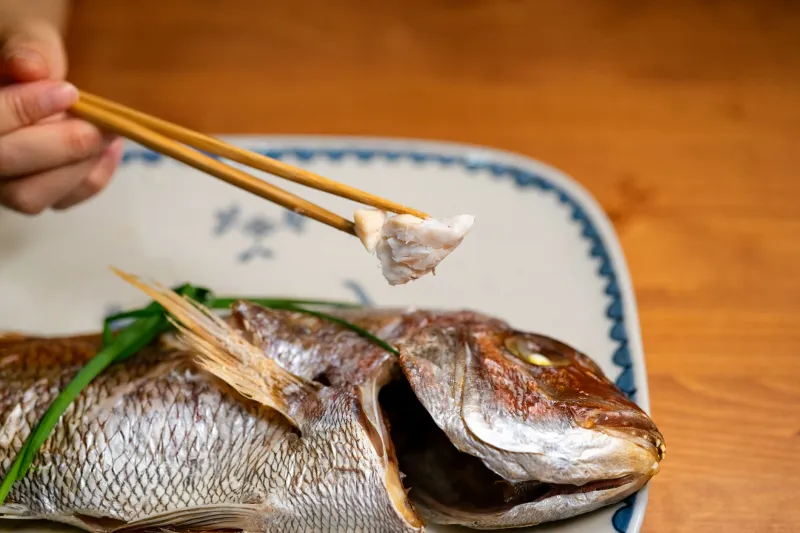
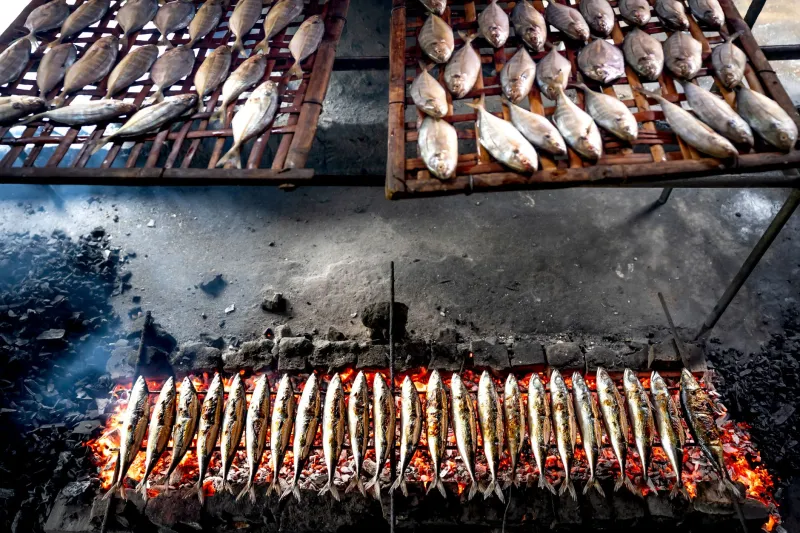
Picture a fisherman in a small Nagasaki village, hauling in a fresh catch before sunrise. By the time that fish reaches the kitchen, nothing goes to waste. The collar gets grilled. The head goes into a rich broth. The bones get roasted and simmered. The skin gets crisped into something that tastes like a potato chip's more sophisticated cousin. Every single part has a purpose — and a delicious one at that.
That philosophy has a name in Japanese: mottainai. Loosely translated, it means something like "what a waste" — but it's really more of a cultural gut-punch, a feeling of genuine regret at letting something valuable go unused. For Nagasaki's fishing communities, mottainai isn't a trend or a hashtag. It's just how things have always been done.
And honestly? It's one of the smartest approaches to cooking fish that exists anywhere in the world. Here's how to bring it into your own kitchen.
Why Nagasaki Takes Zero-Waste Seriously
Nagasaki sits on the western edge of Kyushu, surrounded by some of Japan's most productive fishing waters. For centuries, fishing families there depended entirely on what the sea provided — and what they could make last. Wasting any part of the catch wasn't just economically foolish; it was considered disrespectful to the fish itself, to the ocean, and to the labor of the people who brought it in.
This resourcefulness shaped an entire regional cuisine. Dishes like ara-ni (fish frames braised in soy and mirin) and ago dashi (flying fish broth) weren't invented by fancy chefs. They were invented by practical people who refused to let anything go to the compost bin.
Here in the US, we tend to buy fish fillets — clean, boneless, no fuss. Which is totally fine! But it also means we're skipping some of the best-tasting, most affordable parts of the fish entirely. Let's fix that.
The Fish Collar: Your New Favorite Cut
If you've never cooked a fish collar (kama in Japanese), you're genuinely missing out. The collar is the fatty, meaty section just behind the gills, and it's almost always cheaper than fillets — sometimes dramatically so. At Japanese and Asian grocery stores, you can often find yellowtail (hamachi) or salmon collars for a few dollars each.
The Nagasaki approach is beautifully simple: season with salt, let it sit for 20 minutes, then broil or grill it until the skin crisps and the fat renders into the meat. Squeeze a little yuzu or lemon over the top. That's it. The result is rich, juicy, and deeply flavorful in a way that a plain fillet just can't match — because all that collagen and fat near the bone does incredible things under high heat.
Quick technique: Broil collars skin-side up on a foil-lined sheet pan at high heat (around 450°F) for 10–14 minutes depending on thickness. Don't overthink it.
Fish Heads: The Broth You Didn't Know You Needed
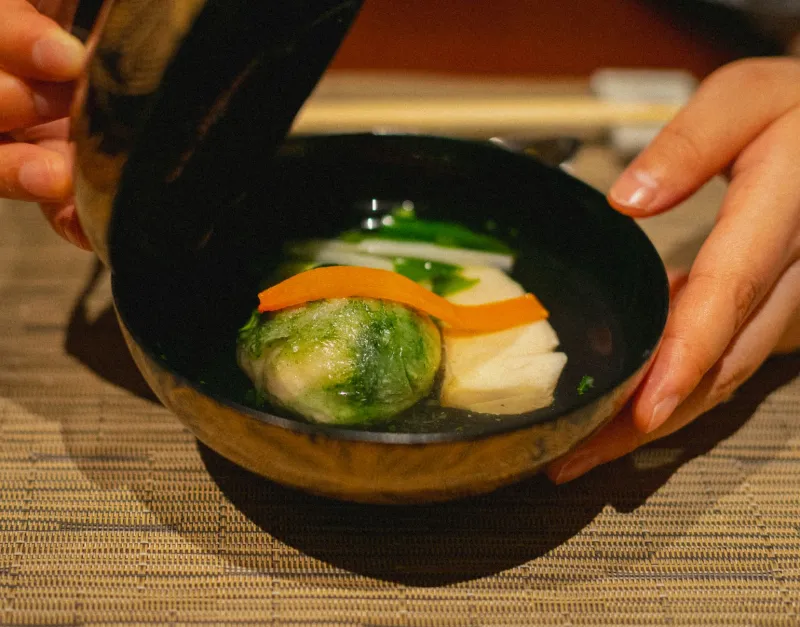
In Nagasaki, fish heads are the foundation of some of the region's most beloved broths. Ago dashi, made from dried flying fish, is a perfect example — it's lighter and more delicate than the more familiar katsuobushi (bonito flake) dashi, with a subtle sweetness that makes it incredibly versatile.
But you don't need to track down dried flying fish to get started. A fresh fish head from your fishmonger — snapper, sea bass, or even a large salmon head — can be roasted at 400°F for 20 minutes, then simmered with kombu, a splash of sake, and water for about 30 minutes. Strain it, season lightly with soy sauce and mirin, and you've got a broth that makes ramen, miso soup, or a simple noodle dish taste like something from a serious restaurant.
Ask your fishmonger for heads when you buy fillets. Many will give them away or sell them for almost nothing.
Bones and Frames: Don't Throw Them Out
Fish frames — the spine and rib cage left after filleting — are pure gold for stock. But there's another Nagasaki trick worth knowing: deep-frying fish bones until they're completely crispy.
Calcified and crunchy, fried fish bones (hone senbei) are a popular snack in Japanese fishing regions. Season them with a little salt or a drizzle of soy sauce, and they're genuinely addictive — crunchy, savory, and rich with umami. Thin bones from smaller fish like mackerel or sardines work best. Fry them at 350°F until golden and crisp, about 3–4 minutes.
For larger bones, roast them in the oven first (400°F, 20 minutes), then use them as the base for a deeply flavored stock. The roasting step adds a toasty, caramelized depth that a raw-bone stock just doesn't have.
Fish Skin: Crispy, Savory, Ridiculous
Salmon skin gets some love in American kitchens, but fish skin in general is still wildly underutilized. In Nagasaki's culinary tradition, skin is treated as its own ingredient — not a byproduct.
The key is drying it out completely before cooking. Lay fish skin flat on a wire rack, pat it dry, and leave it uncovered in the fridge for a few hours (or overnight). Then pan-fry it skin-side down in a hot, lightly oiled skillet, pressing it flat with a spatula. Within a few minutes, it turns into something that resembles a crispy chip — salty, umami-packed, and totally snackable.
Use it as a garnish on rice bowls, crumble it over salads, or just eat it straight off the pan. No judgment.
The Mottainai Mindset in Your Kitchen
Adopting this philosophy doesn't require a dramatic overhaul of how you shop or cook. It starts with small shifts:
- Ask for the whole fish when you can, and learn to break it down yourself (YouTube tutorials make this way more approachable than it sounds).
- Save every scrap — a zip-lock bag in the freezer for bones and trimmings adds up fast into enough for a solid stock.
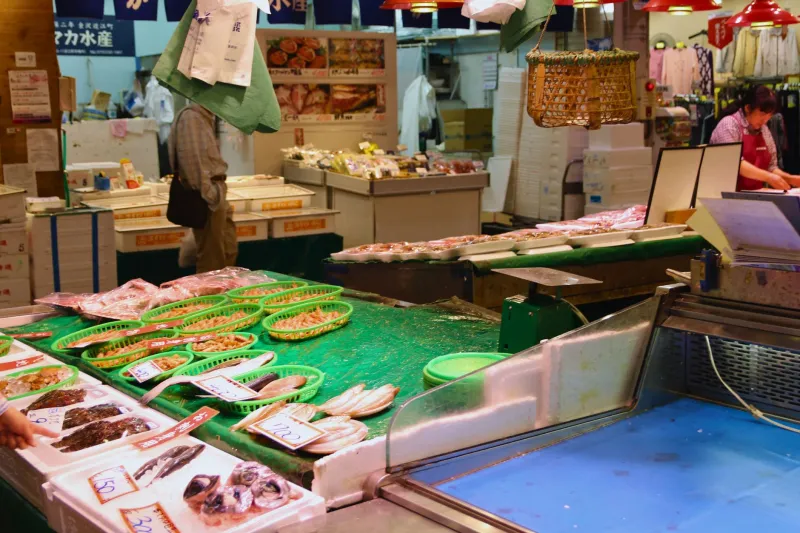
- Talk to your fishmonger. Seriously. Tell them you want collars, heads, and frames. Most are thrilled to sell parts that would otherwise go to waste, and you'll pay a fraction of what fillets cost.
- Reframe what's "good." The most prized cuts aren't always the prettiest ones. In Nagasaki, the collar is often considered more flavorful than the fillet. That perspective shift changes everything.
Mottainai isn't about guilt or deprivation. It's about recognizing that the fish gave everything it had, and honoring that by using every last bit. When you taste a perfectly grilled collar or a bowl of broth made from roasted fish bones, you start to understand why Nagasaki's fishermen never needed to waste a thing.
They already had the best parts.