Shop Seafood in Winter, Not Summer — Nagasaki's Cold-Season Secret Changes Everything
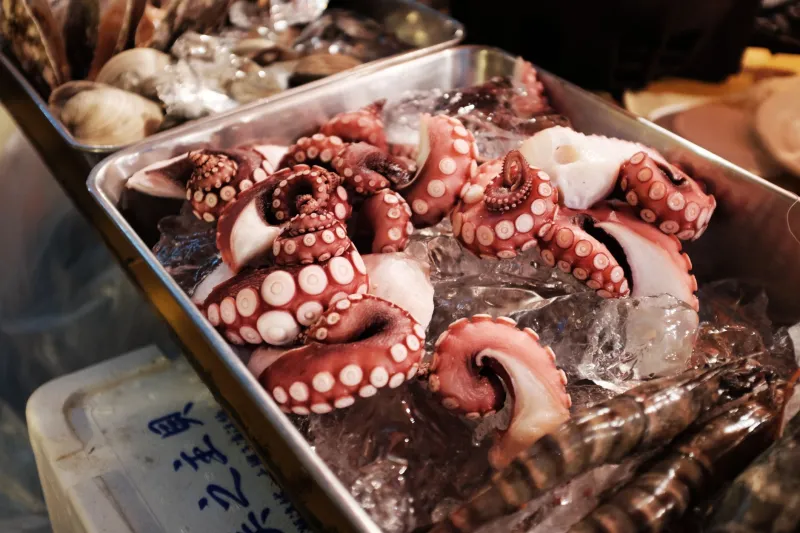
There's a running joke among Nagasaki fishermen: the tourists show up in July, eat whatever's at the dock, and go home thinking they've had the best seafood of their lives. Meanwhile, the locals are quietly waiting until November, when the real stuff starts coming in.
If you've been treating seafood like a summer food — something you buy for backyard cookouts and beach vacations — you've been working against the fish. Here's the thing: the cold-water months between November and February are when Nagasaki's fishing grounds produce catches that are genuinely superior in flavor, texture, and often value. And with more Nagasaki-sourced seafood making its way into the US market through specialty importers and Japanese grocery networks, American home cooks can actually take advantage of this seasonal rhythm from their own kitchens.
Why Cold Water Makes Better Fish
This isn't folklore. There's real biology behind why winter fish taste different — and better.
As water temperatures drop in the East China Sea and the waters surrounding Kyushu, fish respond by building up fat reserves. That fat isn't just calories — it's flavor. The same process that makes a well-marbled steak taste richer than a lean cut is happening inside a winter amberjack or a cold-season mackerel. The fat distributes through the flesh, creating a buttery, full-bodied taste that summer fish simply can't match.
Colder water also slows the fish's metabolism, which means less lactic acid buildup in the muscle tissue. The result? Firmer flesh, cleaner flavor, and a texture that holds up beautifully whether you're grilling, broiling, or serving it raw as sashimi.
In Nagasaki's fishing communities, this period is known informally as the "shun" — the peak season — for several prized species. And while Japanese chefs have planned their menus around this for centuries, American consumers are still largely in the dark.
The Winter Stars of Nagasaki's Waters
So what's actually worth seeking out during these colder months? A few species stand out.
Buri (Japanese Amberjack) is probably the most celebrated winter fish in Kyushu. Once it's been fattened by cold waters, locals call it "kan-buri" — winter amberjack — and it's treated with the same reverence as wagyu beef. The flesh turns deeply golden, almost creamy, and has a richness that makes it perfect for shabu-shabu or simple salt-grilling.
Saba (Mackerel) gets a bad reputation in the US because most Americans have only ever had it at room temperature out of a can or poorly handled at a fish counter. Winter saba from Nagasaki's waters is a completely different experience. The fat content spikes dramatically, and the flavor is bold without being "fishy" — more like a savory, oceanic depth.
Hirame (Olive Flounder) is another cold-season winner. Leaner than amberjack but with a delicate sweetness that's at its peak in winter, hirame is a staple of high-end Japanese sashimi for good reason.
The Price Advantage Nobody Talks About
Here's the practical upside: winter seafood is often cheaper.
Because American demand for fish spikes in summer — tied to grilling culture, vacation eating, and general warm-weather associations — prices at the seafood counter follow that demand. Winter is when the market gets quieter, importers are moving inventory, and the fish that's actually at its biological best is sitting in the case with less competition.
If you've got a good Japanese grocery store nearby, or you've bookmarked a reputable online seafood importer, December through February is the time to be buying. You'll get better quality for less money, almost across the board.
How to Build Your Winter Seafood Calendar
You don't need to overthink this. Here's a simple framework for shifting your shopping habits:
November: Start transitioning away from summer staples. This is a good time to experiment with mackerel — try it salt-grilled with grated daikon and a splash of ponzu. Simple, fast, and genuinely revelatory if you've never had winter saba.
December: Seek out buri if you can find it. Many Japanese grocery stores in major US cities — think Mitsuwa, Marukai, or H Mart — will stock it around this time, often labeled as yellowtail or amberjack. Ask the fish counter staff specifically about the fat content or origin.
January: This is peak hirame season. If you've got a good relationship with a Japanese fishmonger or a reputable online source, this is when to order it for sashimi. The texture at this time of year is genuinely remarkable.
February: Don't sleep on oysters. Nagasaki Prefecture is one of Japan's top oyster-producing regions, and cold-water oysters are plumper, brinier, and more complex than their summer counterparts. Some specialty importers bring in Nagasaki oysters frozen on the half shell — worth every penny.
A Note on Sourcing
Finding Nagasaki-specific seafood in the US takes a little effort, but it's getting easier. Online importers like Catalina Offshore Products, True World Foods, and various Japanese grocery delivery services have expanded their cold-chain capabilities significantly. When you're shopping online, look for explicit mention of Japanese origin, flash-freezing at sea, and ideally the specific prefecture.
At physical stores, don't be shy about asking questions. "Where is this from?" and "When did this come in?" are completely reasonable things to ask at a seafood counter. Staff at Japanese grocery stores, in particular, are often genuinely knowledgeable and happy to talk about sourcing.
The Mindset Shift
Rethinking seafood as a winter food takes a little adjustment if you've spent years associating it with summer. But once you taste a properly sourced winter amberjack next to whatever's sitting at a summer fish counter, the logic becomes obvious fast.
Nagasaki's fishermen have been working with these seasonal rhythms for generations. They're not fighting nature — they're following it. The fish are better in winter because the ocean makes them better in winter. Your job as a home cook is just to show up at the right time of year.